What Is 1 Inch Long? Discover Everyday Things That Fit This Tiny Measurement
1 inch long is a small unit of length. It equals 2.54 centimeters or 25.4 millimeters. People use it to measure tiny objects in everyday life.
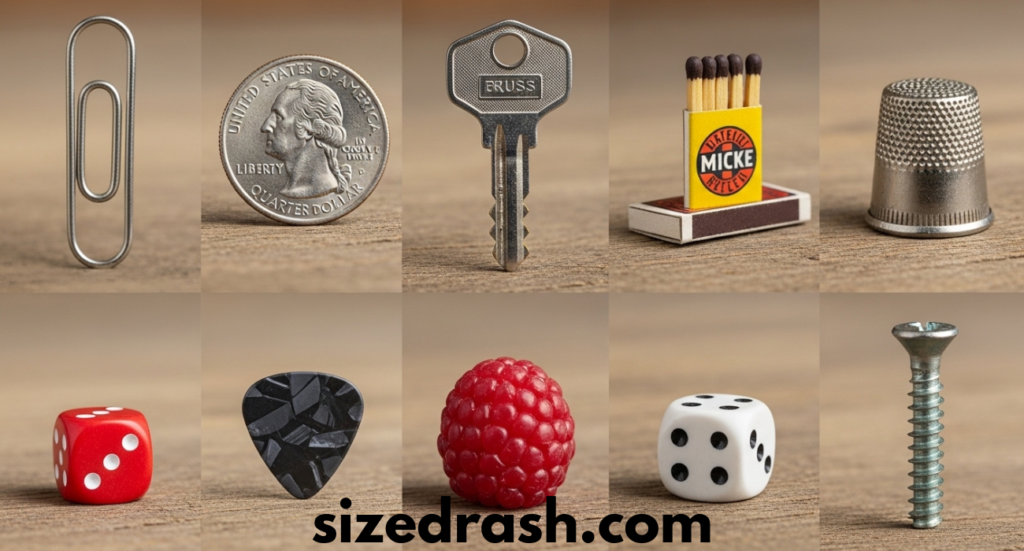
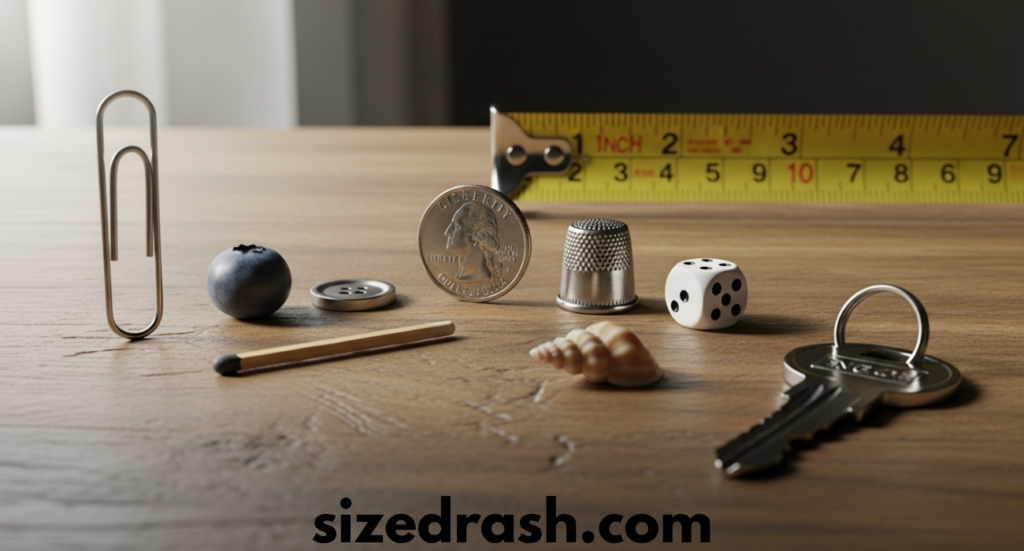
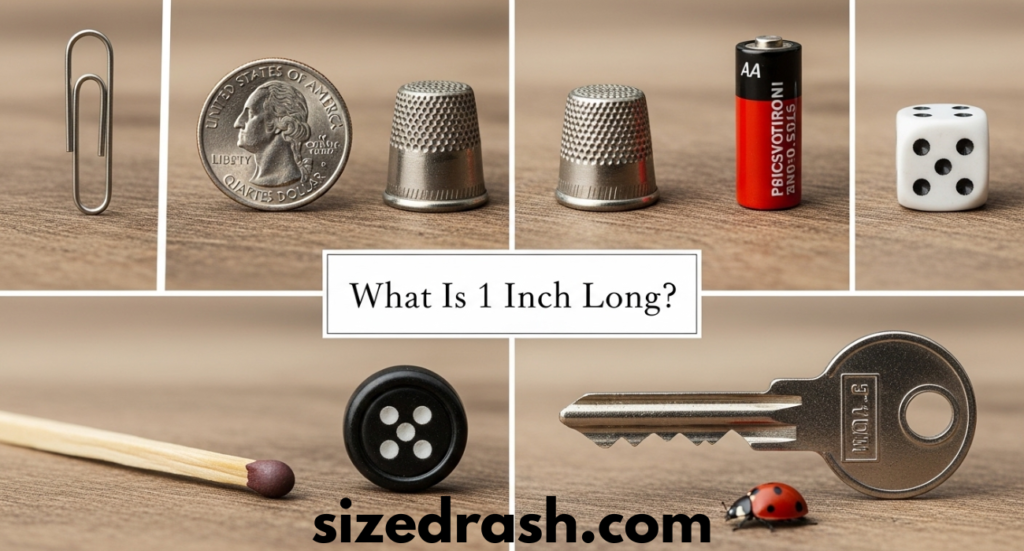
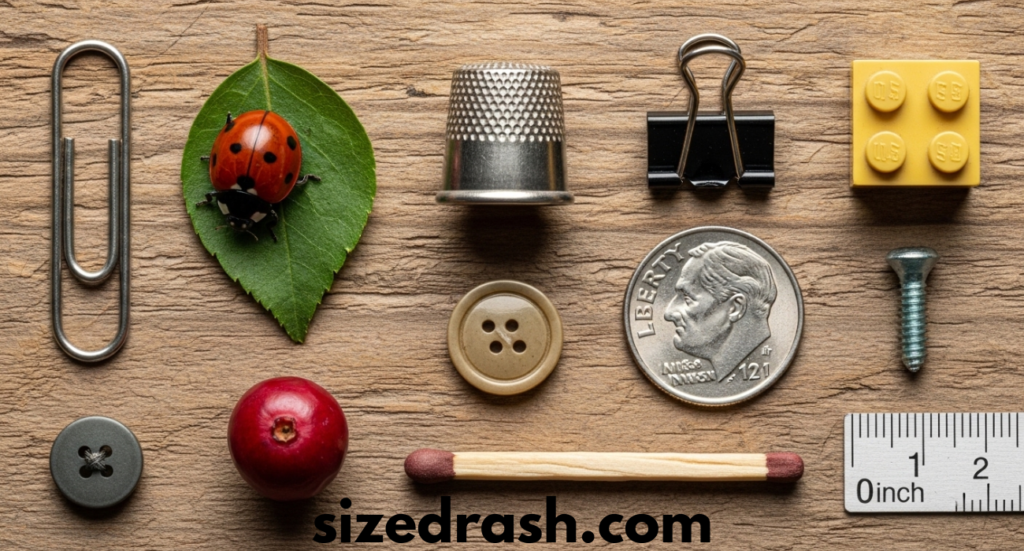
Many things around you are 1 inch long. A paperclip, a US quarter, or the tip of your index finger is about this size. It is easy to overlook, but it is very common.
Knowing about 1 inch long helps in school, craft projects, and at home. It shows how small objects fit together. You can use it as a reference to compare other compact items.
How Long Is 1 Inch
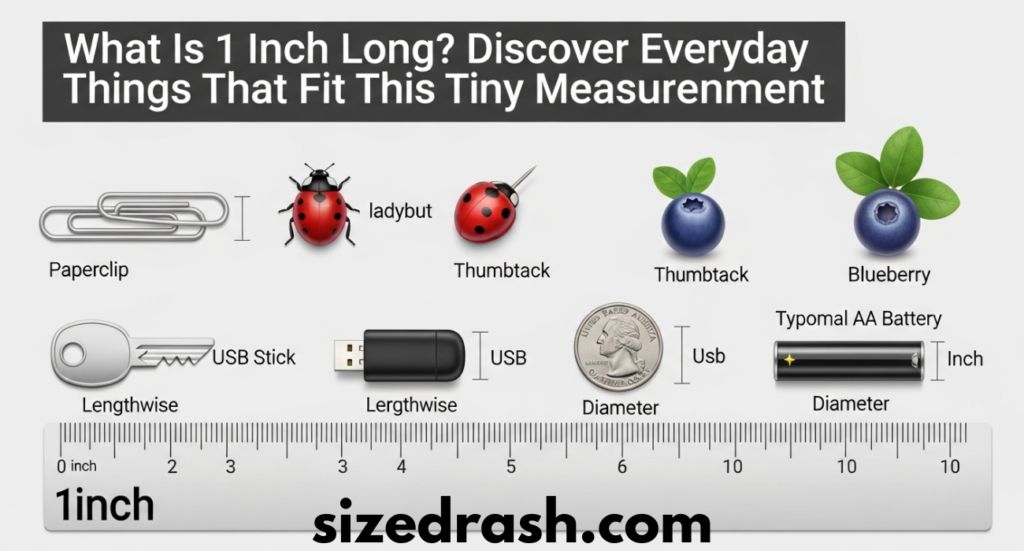
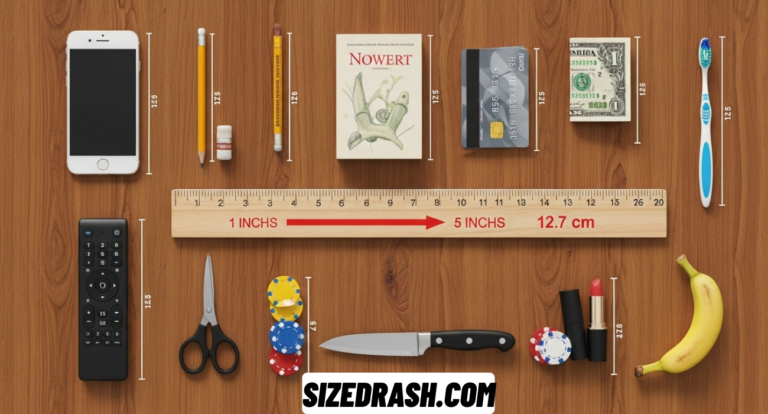
A 1 inch is a basic unit of length in the imperial system and converts to exactly 2.54 centimeters in the metric system. You can think of it as the width of an adult’s index finger, the diameter of a US quarter, or the height of a tiny bottlecap. This small size is often overlooked but is crucial when estimating or comparing length in both daily and professional tasks.
Understanding 1 inch long is essential for precision. Craftspeople, DIY enthusiasts, and office workers often rely on these tiny dimensions to maintain accuracy in their projects. By using visual references such as paperclips, postage stamps, or sharpener sizes, you can make quick and reliable estimates. This knowledge bridges imperial and metric conversions, making your measurements more precise and adaptable in different situations.
Read Also;What Weighs 100 Grams? – Everyday Items You Can Visualize
Things That Are 1 Inch Long
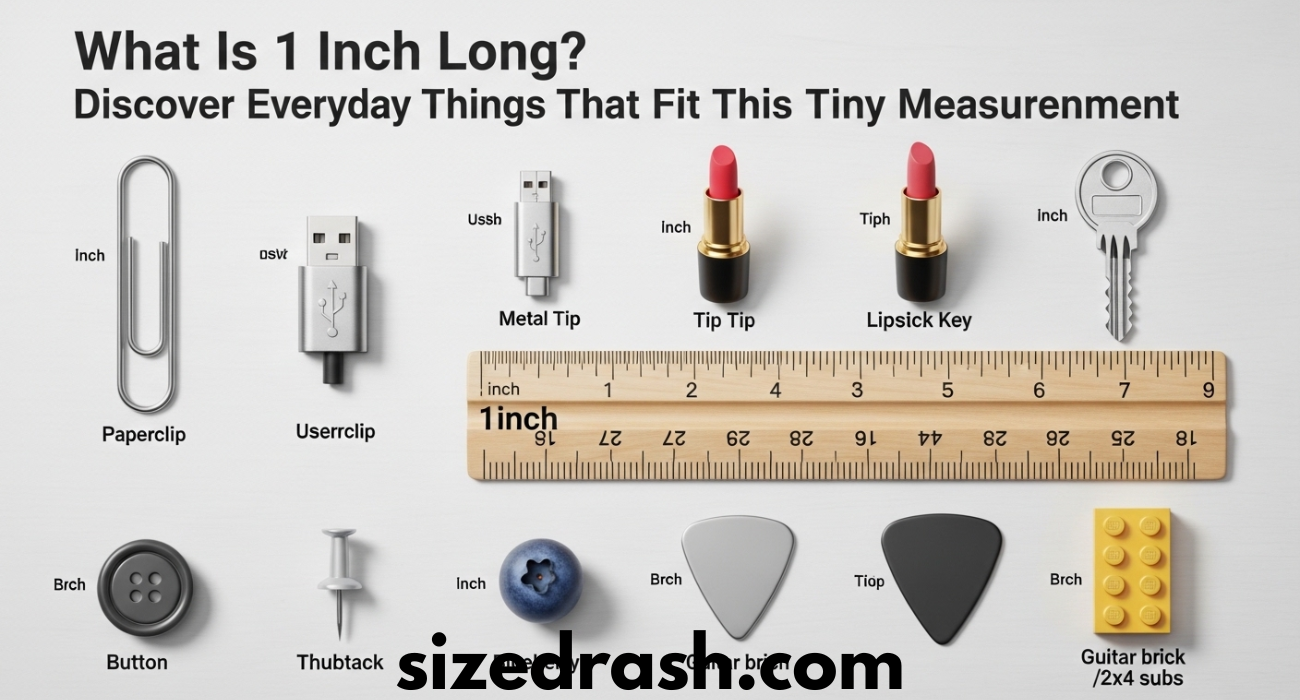
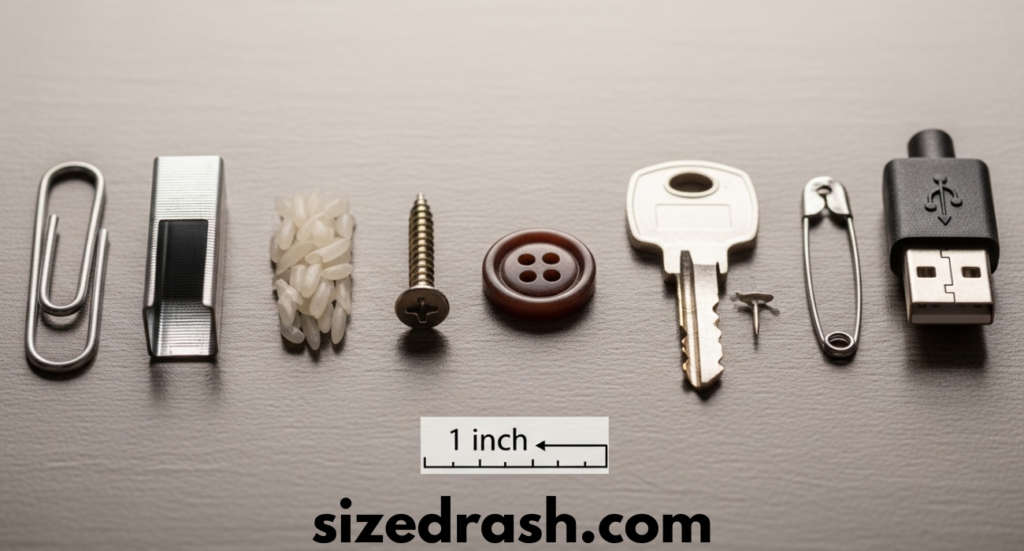
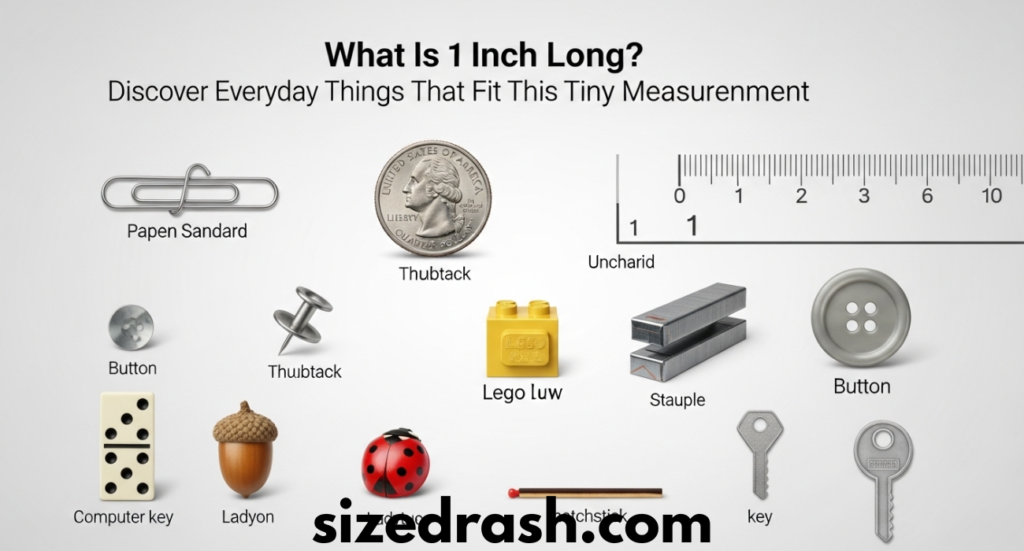
Everyday life is filled with common objects that are about 1 inch long, providing a practical reference for size and length. These small items can help you quickly estimate measurements without a ruler. From the top joint of your index finger to the height of a hockey puck, these tiny objects combine portability, precision, and everyday functionality in surprising ways. Using them as visual references can simplify tasks in classroom, office, or craft projects.
Knowing which small items are 1 inch long also improves accuracy in DIY projects, gaming, and computing. Objects like AirPods, standard dice, or a Ctrl key on a keyboard are perfect examples of how this dimension shows up in both portable electronics and stationery. Whether measuring for craft projects or comparing compact earbuds for portability, understanding the inch helps you maintain precision and make reliable comparisons in everyday life.
1. Index Finger
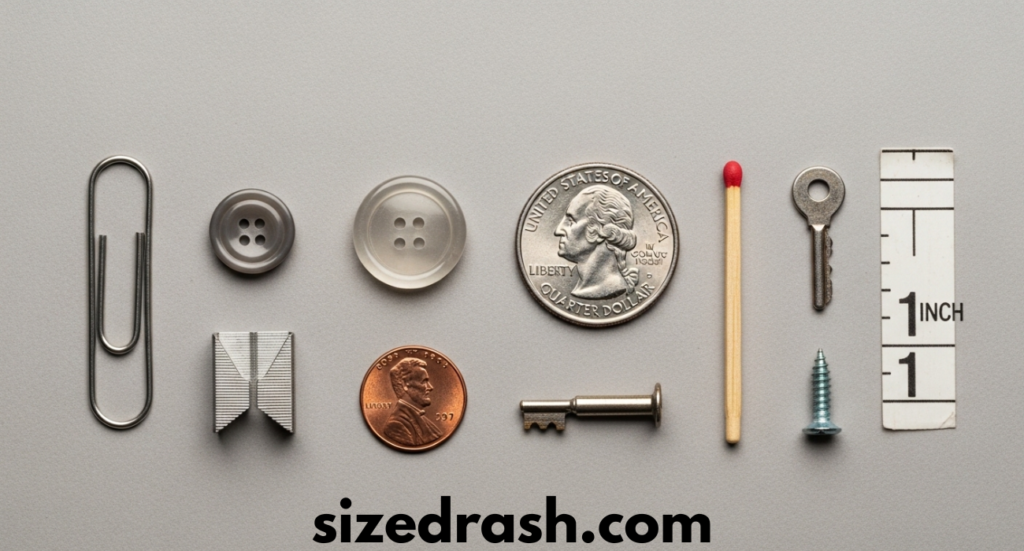
The top joint of an adult index finger is roughly 1 inch in length, making it a convenient measurement tool. When you don’t have a ruler, your finger serves as a quick reference. Using your index finger is a simple way to estimate small dimensions, whether in a classroom, office, or DIY craft project, and it remains surprisingly accurate for everyday tasks.
This natural visual reference demonstrates how compact a 1-inch measurement is. By practicing with your index finger, you can quickly compare small items like paperclips, bottlecaps, or erasers. This method also helps when you need portable, reliable, and approximate measurements without carrying a ruler or tape measure.
2. A US Quarter Width
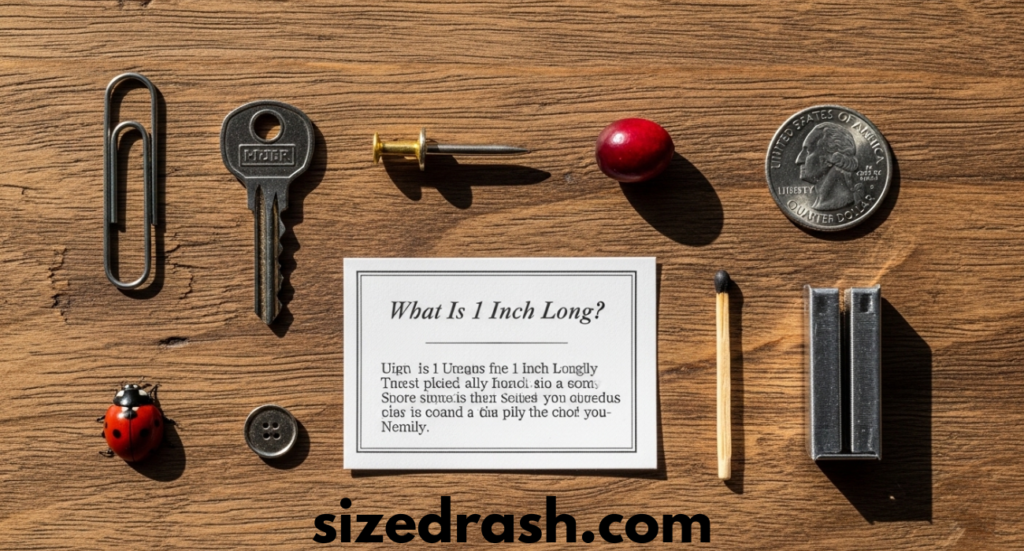
A US quarter has a diameter very close to 1 inch, making it a classic reference for small objects. You can use it in craft projects, office work, or even gaming to quickly estimate length. Its consistent size across the USA makes it a dependable visual reference for everyday tasks.
Stacking multiple quarters can demonstrate how inch measurements add up. For example, six quarters side by side equal 6 inches, which helps in estimations and comparisons. The compact diameter of the quarter highlights how small 1-inch objects can be, yet how practical they are in daily use.
3. A Postage Stamp
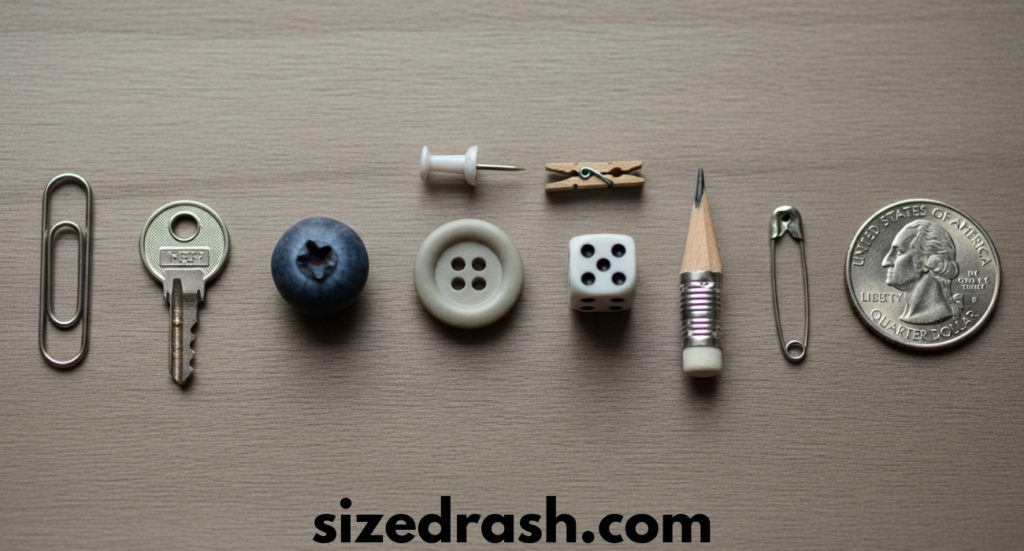
A standard postage stamp usually measures around 1 inch wide, providing a familiar visual reference. Its uniform dimension ensures that mailing and packaging are consistent, which is why precision matters in everyday postal tasks. Stamps illustrate how tiny measurements play a major role even in simple everyday tasks.
These small items are also handy in craft projects. You can use postage stamps to quickly compare lengths or create templates for DIY projects. Their compact size makes them a practical tool for students, office workers, and hobbyists alike.
4. HP Keyboard Control (Ctrl) Key
The Ctrl key on an HP keyboard measures about 1 inch in width, showing how small compact objects can carry big functionality. In computing, this key helps you copy, paste, or undo actions efficiently. Its compact dimension fits perfectly in the keyboard layout, making it both reliable and convenient.
Despite being small, the Ctrl key plays a huge role in everyday computer tasks. Understanding 1-inch dimensions in electronics like USB ports or keyboard keys highlights the precision, portability, and thoughtful craftsmanship required to make compact, functional tools.
5. A PaperClip
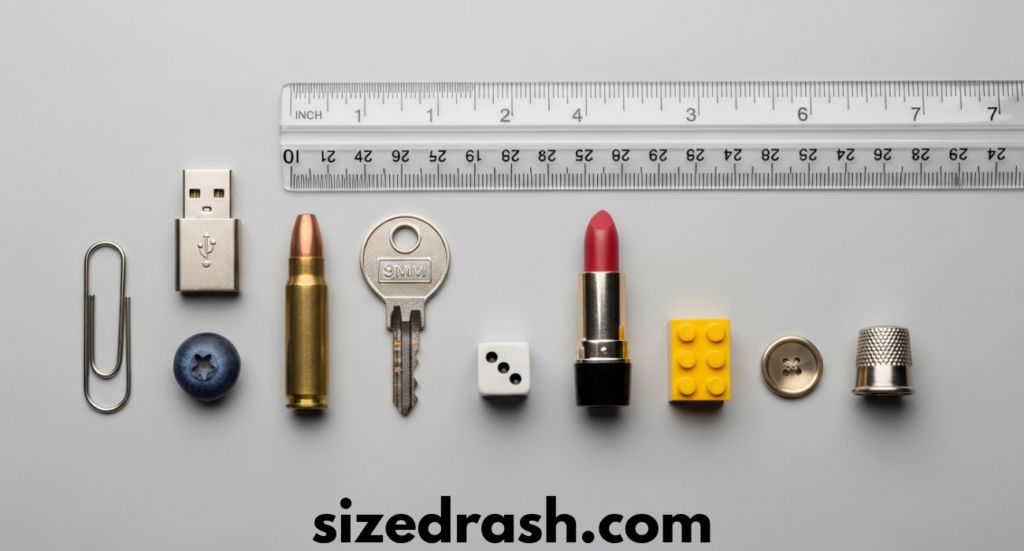
A 1-inch paperclip is a staple stationery item in offices and classrooms. Its wire is flexible yet durable, keeping papers neatly together. This small object provides an excellent reference for 1-inch measurements, whether for craft projects or quick everyday tasks.
Paperclips are both portable and reliable, making them perfect for estimations when rulers aren’t available. Their compact size is easy to carry, and their standard dimensions ensure that you can consistently use them as a visual reference in classrooms, offices, or DIY projects.
6. AirPods
AirPods, including AirPods 3, 4, and AirPods Pro 2, range around 1 inch in height and width. These compact earbuds offer portability and noise cancellation, showing how small dimensions can combine precision and functionality in electronics. Each earbud weighs only a few grams, emphasizing their lightweight and portable design.
Comparing AirPods with other 1-inch objects helps visualize size. Their compact design is ideal for DIY storage solutions or carrying around everyday items. Their dimensions demonstrate that a 1-inch length can be surprisingly versatile, from technology to practical measurement references.
7. A Standard Dice
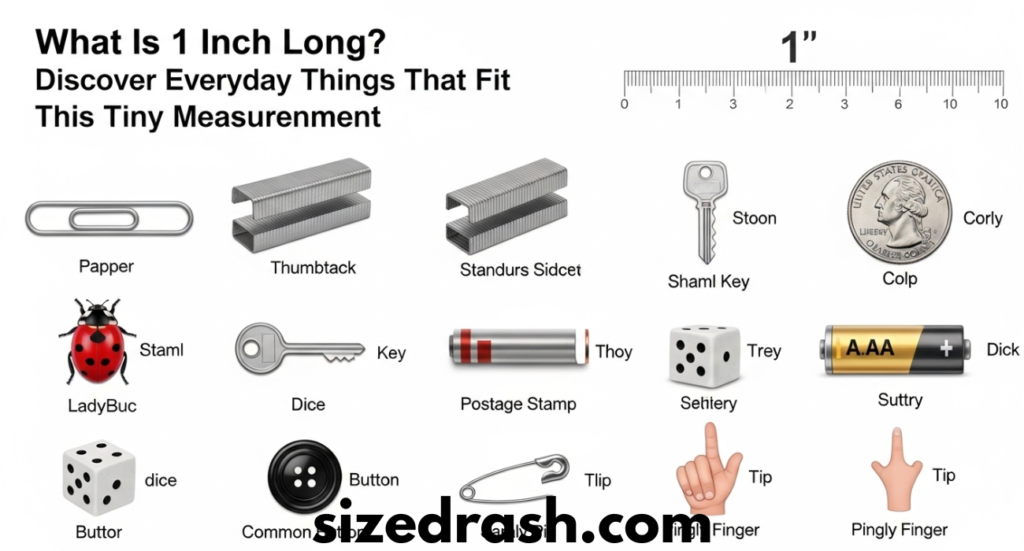
A standard dice is slightly smaller than 1 inch (~16 millimeters), making it a handy approximate reference. In gaming, precise dimensions ensure fairness, while in DIY or craft projects, it can serve as a visual guide for small measurements. The compact size of dice demonstrates how even tiny items require careful craftsmanship.
Using dice as a reference helps improve estimation skills. Their uniform dimensions allow for accurate comparisons with other 1-inch items, and stacking or lining them up can demonstrate lengths in an intuitive, visual way.
8. An Eraser or Rubber
A typical 1-inch eraser is common in classrooms and offices. It is a small, durable object that helps clean pencil marks and remains a reliable tool in everyday tasks. Its compact size also makes it handy for craft projects or quick estimations of length.
Even in DIY projects, a rubber eraser serves as a practical reference object. Its dimension is standardized, making it portable and useful for students, professionals, and hobbyists alike. Understanding its size helps visualize other small objects efficiently.
9. A Hockey Puck Height
Miniature hockey pucks often measure about 1 inch high, serving as a fun visual reference for length. In sports, this compact object is essential for skill training, and its durability and precision make it a reliable tool in both games and DIY displays.
Stacking pucks shows how inch measurements accumulate. Two 1-inch pucks equal 2 inches, and four equal 4 inches, making it easier to visualize small dimensions. This simple comparison highlights how everyday objects provide intuitive measurement references.
10. A Sharpener
A classic 1-inch sharpener is small but extremely functional. Its precision allows you to sharpen pencils effectively, making it a staple in classrooms and offices. Despite its compact size, it demonstrates durability and consistent performance over time.
Sharpener dimensions are perfect for visual references in DIY or craft projects. They show how small objects can combine accuracy, portability, and practicality, making them an excellent tool for everyday tasks. Their standardized size ensures they are always a handy measurement guide.
11. A Bottlecap
A standard bottlecap measures about 1 inch in diameter, making it a familiar visual reference. These small items are used in crafts, DIY projects, and everyday estimations of length. Their durability and consistent size make them a reliable tool for comparison in both professional and personal tasks.
Lining up bottlecaps can also illustrate inch increments. For example, twelve caps equal one foot, giving you a tangible way to visualize length. This shows that even a compact, small object can serve as a reliable measurement tool in practical, creative, and fun ways.
12. A USB Plug
A USB plug tip is often about 1 inch long, making it a compact and portable tool in electronics. Its small size allows it to fit easily into devices, and understanding this dimension can help when comparing lengths for cables, adapters, or gaming peripherals. These plugs are essential for everyday tasks in computing.
Even though it’s tiny, the USB plug plays a big role in functionality. Its precision ensures a secure connection, while its portable size makes it reliable for travel. Comparing it to other 1-inch objects, like a paperclip or Ctrl key, helps visualize its length and understand the scale of compact electronics in daily life.
13. A LEGO Brick
A standard LEGO brick side is roughly 1 inch, serving as a familiar visual reference in craft projects or kids’ activities. Its compact dimension allows for precise DIY assemblies, teaching measurement skills while encouraging creativity. Understanding 1-inch lengths helps estimate structure sizes in construction play.
LEGO bricks are also excellent tools for comparing small objects in classrooms and offices. Their durable plastic material and standardized size provide reliable references for length. Using a LEGO brick, you can estimate, measure, or even plan craft projects, making these tiny objects practical in educational and everyday settings.
14. A Button
A common shirt button often measures close to 1 inch in diameter, giving a convenient reference for small measurements. Buttons are practical for craft projects, sewing, and clothing repair, showing how compact objects can serve as visual guides for estimating lengths in everyday tasks.
Their standardized size ensures consistency, making buttons reliable tools for comparison. Whether in DIY crafts, fashion, or even gaming board setups, understanding this dimension helps with precise estimation. Comparing buttons to paperclips or bottlecaps provides a clear sense of scale for small objects around the home or office.
15. A Thumbtack
A thumbtack is typically about 1 inch long, including the pin and head, making it a handy visual reference for small measurements. These tiny items are essential in offices, classrooms, and DIY projects, offering both precision and portability when pinning notes or decorations.
Despite its small size, a thumbtack is a reliable tool for everyday tasks. Its compact length allows for easy storage and comparison with other 1-inch objects like erasers or dice cubes. By understanding its dimensions, you can use thumbtacks as quick references for estimation in multiple settings.
16. A Sticky Note Tab
A sticky note tab is about 1 inch wide, perfect for marking pages or organizing office materials. Its compact size makes it a practical tool in classrooms and offices, while also helping to estimate small measurements in craft projects. It’s a simple, everyday visual reference.
Using sticky note tabs improves precision when planning layouts or labeling items. Their standardized width provides a reliable comparison for other small objects, like paperclips or postage stamps. The portable and compact dimension allows for flexible use, making them more than just stationery—they are tiny measurement tools in everyday life.
17. A Keycap
A keycap from a standard keyboard is about 1 inch wide, serving as a practical reference for small measurements. Its compact dimension ensures functionality in computing, while its uniform size provides a consistent visual guide for estimating length and comparison in everyday office tasks.
The keycap is a tiny yet essential tool in technology. By comparing it with AirPods, paperclips, or a dice cube, you gain a clear sense of 1-inch length. These compact objects demonstrate how small dimensions can still deliver precision and reliable functionality in daily life.
18. A Thumb Drive
A standard thumb drive or USB storage device is often about 1 inch long, making it a handy compact object for both portable storage and measurement comparisons. Its small size demonstrates how technology incorporates precision into tiny dimensions.
Despite its compact length, a thumb drive is functional and reliable for everyday computing tasks. Comparing it to other 1-inch objects, such as a Ctrl key or bottlecaps, helps visualize length and width. Its portability and standardized dimensions make it a versatile tool for digital and physical contexts.
19. A Small Magnet
A small magnet is often about 1 inch in diameter or length, perfect for use in classrooms, offices, or DIY craft projects. Its compact dimension allows it to hold papers, create interactive boards, or serve as a visual reference for estimating length and size.
Despite being tiny, a small magnet offers durability, portability, and reliable functionality. Comparing it with a paperclip, dice cube, or bottlecaps makes understanding 1-inch measurements easier. These compact objects demonstrate how even the smallest items can be practical, precise, and useful in everyday tasks.
FAQs
What is 1 inch in centimeters and millimeters?
1 inch equals 2.54 centimeters or 25.4 millimeters, making it easy to convert between the imperial system and metric system.
What common objects are about 1 inch long?
Everyday items like a US quarter, paperclip, bottlecaps, and the top joint of an index finger are roughly 1 inch long.
How can I estimate 1 inch without a ruler?
You can use small objects like a Ctrl key, dice cube, or your index finger as a quick visual reference.
Why is understanding 1 inch important?
Knowing 1-inch dimensions helps with accurate measurements, DIY projects, crafts, and comparing small objects in everyday tasks.
Conclusion
Understanding what is 1 inch long helps you see how small objects fit into everyday life. Many items around you, like a paperclip, a US quarter, or the top part of your index finger, are about 1 inch long. Knowing this length makes it easier to measure, compare, and organize things at home, in school, or during craft projects. Using compact objects as a reference can improve your ability to estimate size and dimension without a ruler.
Being able to picture 1 inch long objects also teaches precision and careful observation. Small tools like a Ctrl key, dice cube, or bottlecaps show how compact items still play an important role in daily life. Learning these measurements builds confidence in handling everyday tasks and improves understanding of length, width, and height in the world around you.