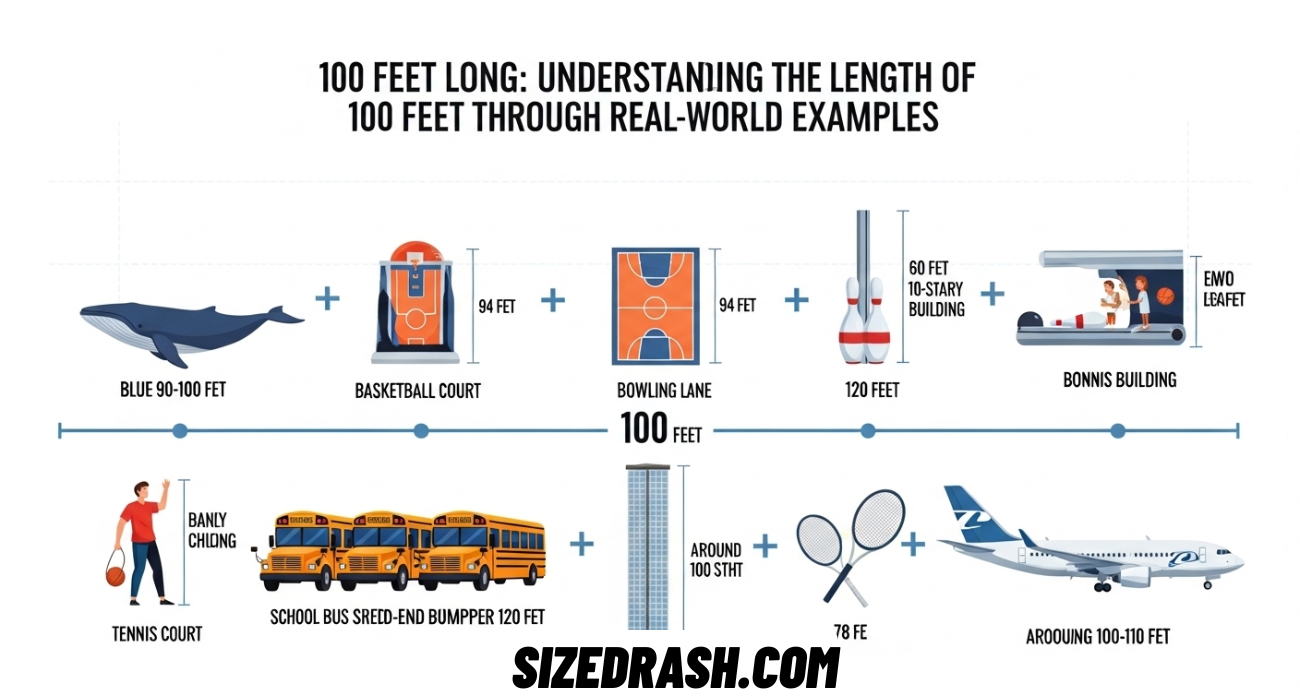
100 Feet Long: Understanding the Length of 100 Feet Through Real-World Examples
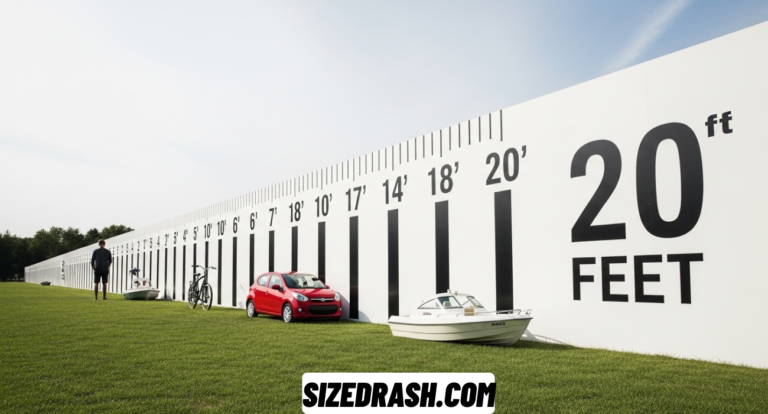
100 Feet Long describes a distance that measures one hundred feet from one end to the other. It equals 1,200 inches or 30.48 meters. This length helps describe size and distance in real places.
100 Feet Long sounds simple, yet it often feels bigger than expected. Many people guess it wrong without a clear picture. Real examples help the mind see it clearly.
100 Feet Long appears in buildings, sports fields, trees, and vehicles. You see it in daily life more than you think. Learning this length improves understanding of space and scale.
How Big is 100 feet?
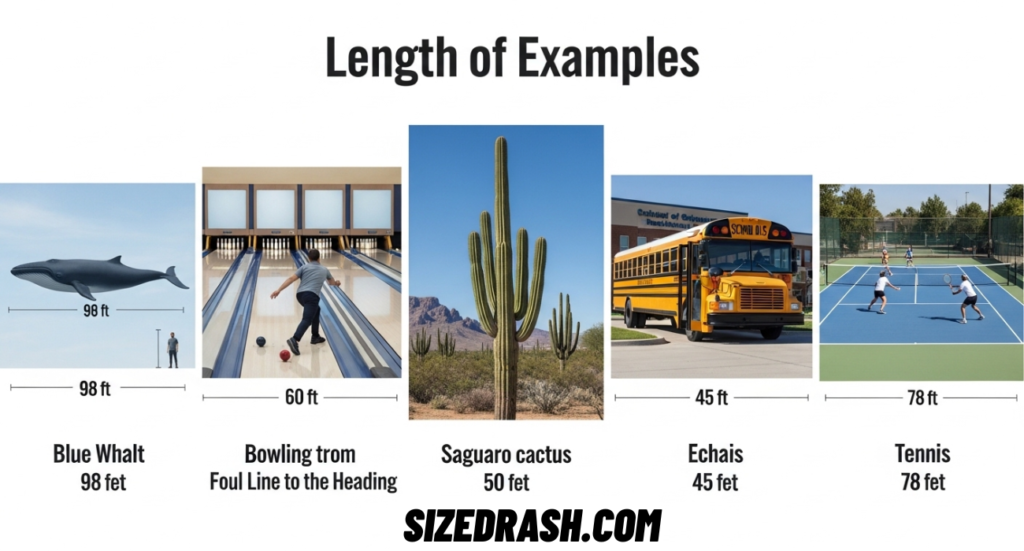
To understand how big is 100 feet, it helps to break it down into simple numbers. The length of 100 feet equals 1,200 inches, or 30.48 meters, which makes it easier to compare using standard conversion feet to meters and conversion feet to inches. While those numbers are precise, they don’t always feel real until you connect them to something familiar.
In practical terms, 100 feet length often matches the height of structures, the span of a sports field, or the size of large wildlife. Seeing this distance in real places improves understanding such lengths and helps you judge distance more accurately, whether you’re walking, building, or simply observing the world around you.
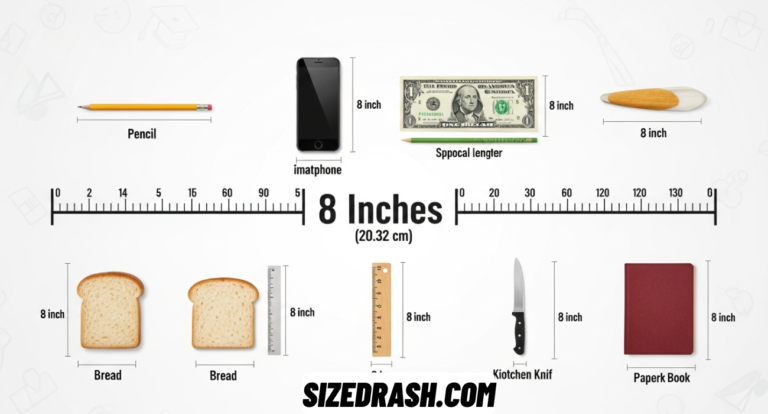
Read Also;8 Inches Explained: How Long It Is and Items That Are 8 Inches Long in Everyday Life
What Measures 100 Feet in Length?
When asking what measures 100 feet in length, the answer spans both man-made environments and natural wonders. This measurement shows up in buildings, bridges, trees, and even animals. Each example gives a different real world comparison, helping the brain lock onto the idea faster.
By comparing the length of objects and the height of structures, you develop a stronger sense of distance. These examples aren’t random. They reflect how 100 feet long quietly shapes cities, sports, transportation, and nature in ways most people never stop to notice.
1. 1 and 1/3 of a bowling lane
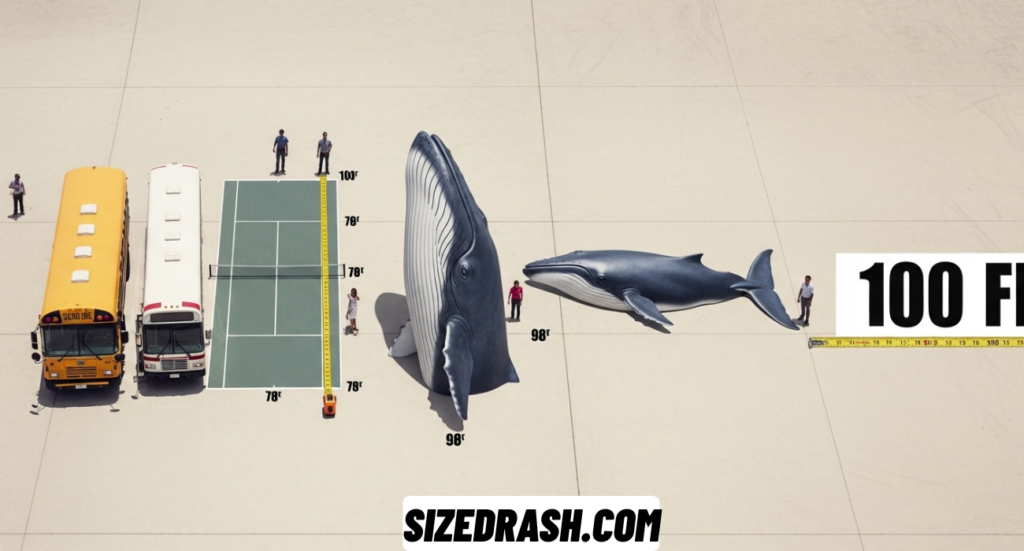
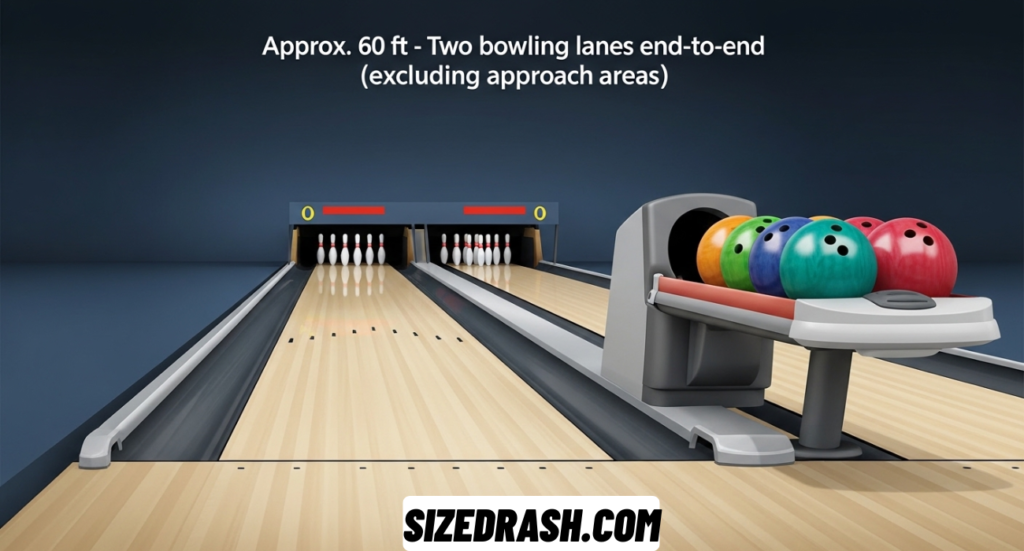
A standard bowling lane measures about 60 feet from the foul line to the pins. When you extend that lane by one third, you reach almost exactly 100 feet long. Anyone who has watched a bowling ball glide toward the pins has already seen most of this distance in action.
This comparison works because bowling alleys are familiar indoor spaces. They provide a clean, straight visual that helps people grasp scale and size without effort. The smooth lane surface makes the length of 100 feet feel longer than expected.
2. 2/3 of Olympic Swimming Pool
An Olympic swimming pool has a regulated swimming pool length of 50 meters. When you take roughly two thirds of that distance, you land close to 100 feet length. For U.S. readers, converting meters makes this clearer using 30.48 meters as the benchmark.
Standing beside a pool and imagining swimming most of its length gives a strong visual perspective. Water exaggerates distance, making this example especially useful for understanding what measures 100 feet in length in a physical, tiring way.
3. A 10 Story Building
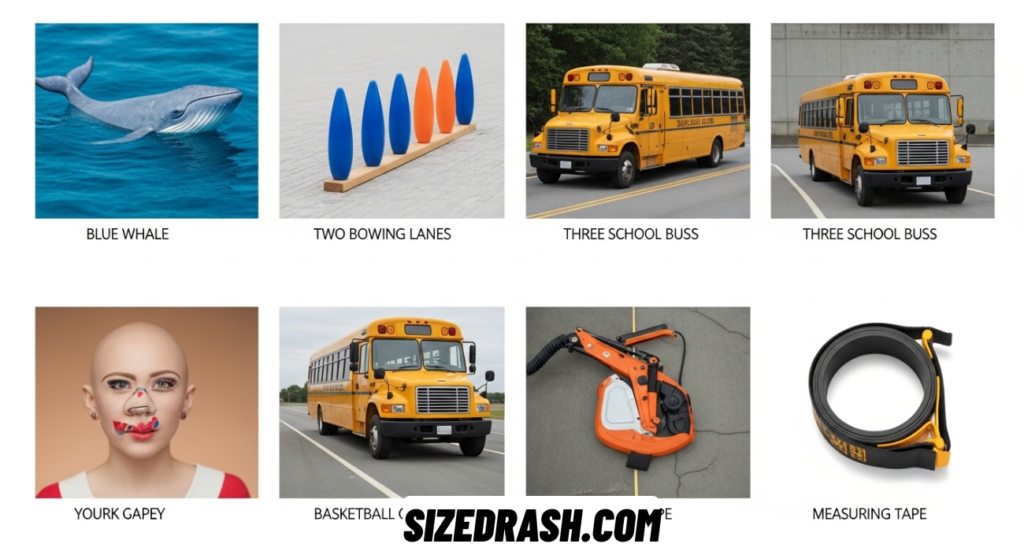
A typical 10 story building in the United States stands close to 100 feet long vertically. Each floor averages around ten feet, including structural space. When you look up from the sidewalk, your eyes already travel that full distance.
This example highlights height of structures rather than horizontal distance. Vertical comparisons often feel more dramatic, which helps lock the measurement into memory. It also shows how deeply architecture transportation nature rely on this common scale.
4. A Basketball Court
A regulation basketball court measures just under 100 feet from end to end. While not exact, it’s close enough to serve as a strong reference. Anyone who has played or watched a game has seen players sprint nearly the full length of objects comparable to this distance.
Because basketball is fast-paced, the court makes 100 feet long feel shorter than it is. This contrast helps people better judge distance in open spaces, especially in gyms or schools across the U.S.
5. A Blue Whale
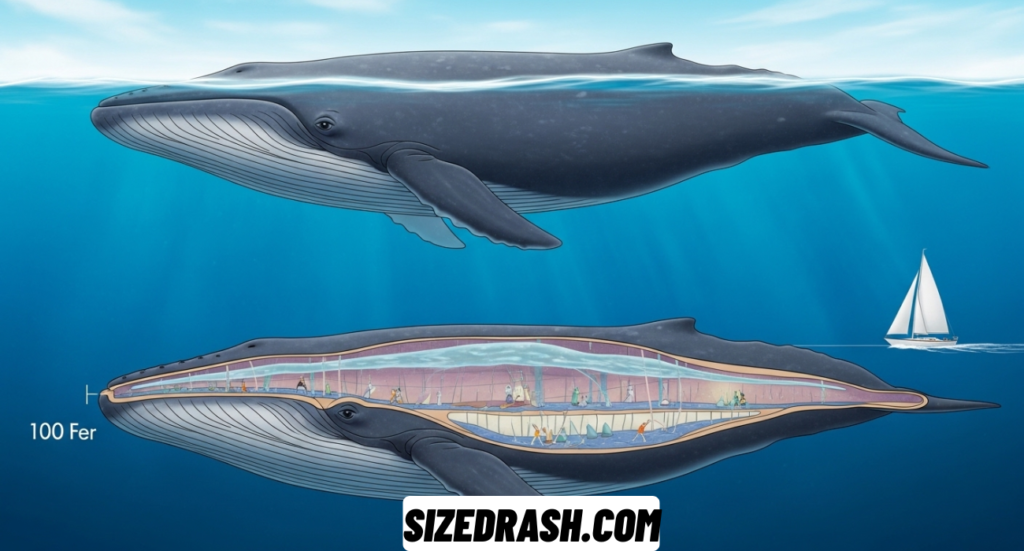
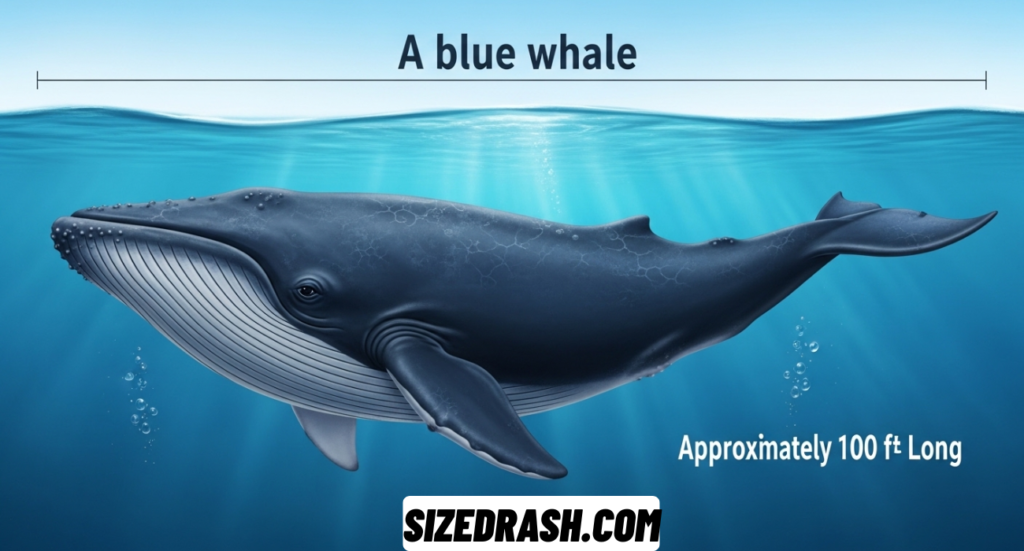
The blue whale is one of the most famous examples of things that are 100 feet long. Fully grown adults can reach or exceed this length, making them living rulers of the ocean. Nothing else alive today rivals their size.
This comparison blends wildlife and awe. When you imagine a creature longer than most buildings, the scale and size of 100 feet suddenly feels enormous. It also connects measurement to natural wonders in a powerful way.
6. 1/3 Of A Football Field
An American football field stretches 360 feet from one end zone to the other. Walking 100 feet long across it takes you just over a quarter of the way between football field end zones.
This example works well for U.S. audiences because football fields are common and familiar. They offer an open, outdoor sports field that makes distance easy to feel under your feet.
7. Two Semi-Trailers
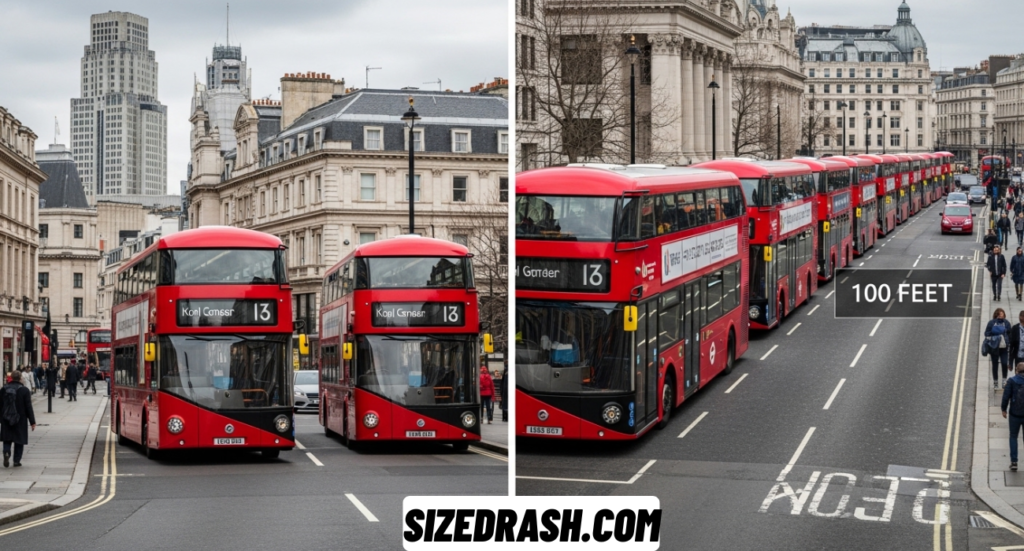
Standard semi-trailers in the U.S. measure about 48 to 53 feet each. Placing two end to end brings you close to 100 feet length. You’ve likely seen this distance while driving on highways or near loading docks.
This comparison ties measurement to architecture transportation nature through logistics and commerce. Trucks make abstract numbers feel practical, grounded, and tied to everyday life.
8. 10 Basketball Hoop
A regulation basketball hoop stands ten feet high. Stacking that height ten times helps visualize 100 feet long vertically. While not literal, the mental image works surprisingly well.
This example shows how repetition helps the brain understand distance. Using a familiar object repeatedly strengthens understanding such lengths without needing tools or measurements.
9. Twice The Hollywood Sign
Each letter of the Hollywood Sign stands roughly 49 feet tall. Doubling that height brings you close to 100 feet length. This cultural landmark adds pop culture to measurement.
Because it’s iconic, the sign offers a memorable real world comparison. It also shows how landmarks quietly reflect the same dimensions used in buildings and infrastructure.
10. 1.5 Cricket Pitches
Standard cricket pitches measure 66 feet. Stretching one and a half pitches end to end brings you near 100 feet long. While cricket isn’t as common in the U.S., the comparison still works.
This example broadens perspective. It reminds readers that measurement is universal, even when sports change across cultures.
11. The Boeing 737-500
The Boeing 737-500 measures just over 100 feet from nose to tail. As an aircraft, it offers one of the most precise examples of what measures 100 feet in length.
Planes exaggerate scale because we see them move. This makes the length of objects feel more dramatic and easier to remember.
12. 20x The Heart of a Blue Whale
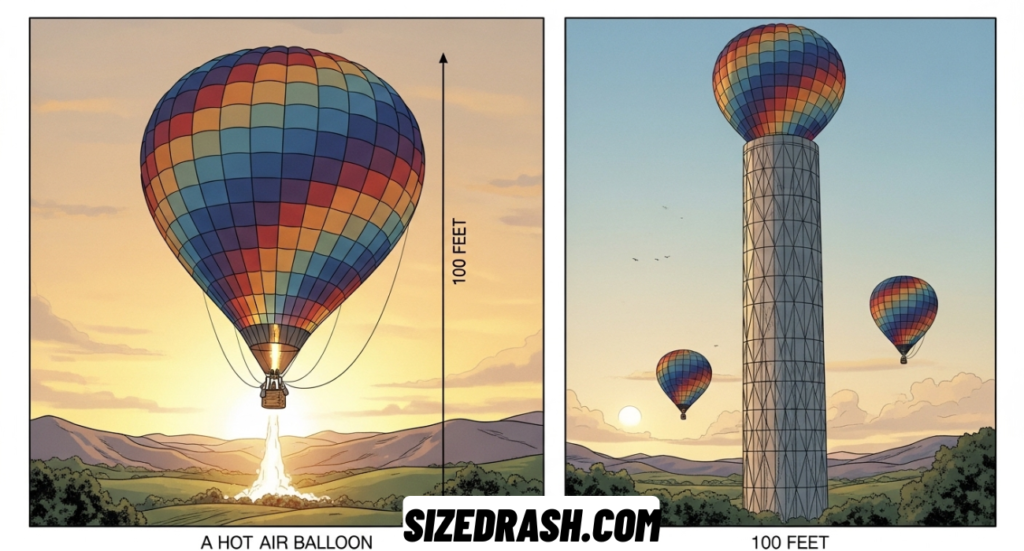
The heart of a blue whale measures around five feet. Multiply that size by twenty and you reach 100 feet long. Even the largest heart on Earth becomes small at this scale.
This comparison reshapes perception. It shows how even massive organs shrink when measured against full-body or structural lengths.
13. Alligators
Adult alligators average between ten and fourteen feet long. Lining several end to end quickly approaches 100 feet length, depending on size.
This wildlife example feels vivid and slightly dangerous, which helps the brain remember it. Fear and fascination improve visual perspective.
14. 10x Kayaks
Recreational kayaks often measure around ten feet. Placing ten of them in a row reaches 100 feet long with ease.
Because kayaking connects to leisure, this example ties measurement to fun and outdoor activity, reinforcing how measurement shows up in relaxed settings too.
15. The Eastern Cottonwood Tree
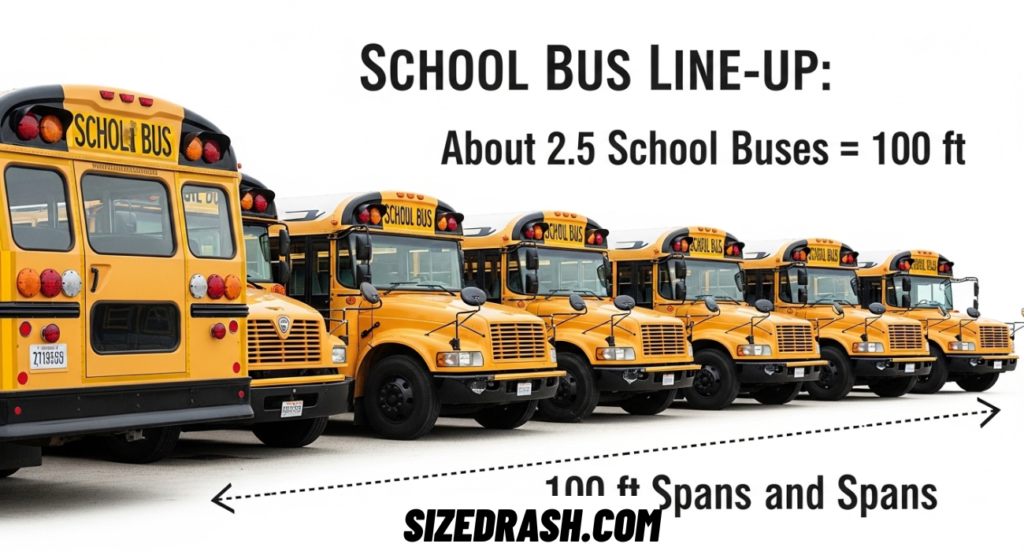
The Eastern Cottonwood Tree can grow up to 100 feet tall. Found across North America, it offers a natural vertical reference.
Trees connect measurement to nature, making scale and size feel organic. Looking up at one brings the number to life.
Quick Conversion Table for 100 Feet
| Measurement Type | Value |
| Feet | 100 feet long |
| Inches | 1,200 inches |
| Meters | 30.48 meters |
16. A City Block Section
In many U.S. cities, a short section of a city block can measure close to 100 feet long, especially in older downtown areas. While full blocks vary widely, these shorter stretches still give a strong visual perspective of distance. When you walk past storefronts, crosswalks, and parked cars, you often cover the length of 100 feet without realizing it. This makes it a perfect real world comparison rooted in everyday life. City planners rely on consistent measurements like this to organize traffic, sidewalks, and utilities. Over time, these repeating distances shape how people move through man-made environments, helping them judge space instinctively.
Why city blocks help explain scale
Because people walk city streets daily, this example improves understanding such lengths naturally. You feel the distance rather than calculate it, which makes the scale and size of 100 feet length easier to remember.
17. A Large Passenger Bridge Span
Many pedestrian and road bridges include spans that measure close to 100 feet long between support columns. Standing on one of these bridges, you can often see the full stretch clearly, which strengthens your visual perspective. Engineers design these spans carefully, balancing safety and efficiency while working within exact measurements. In this context, the length of objects becomes critical, especially when supporting traffic and weather loads. These spans connect architecture transportation nature, blending human design with natural landscapes like rivers and valleys.
Why bridges make distance feel larger
Looking down from a bridge exaggerates height and depth. This makes the length of 100 feet feel longer and more dramatic, reinforcing how space behaves in open environments.
18. A Freight Train Railcar and a Half
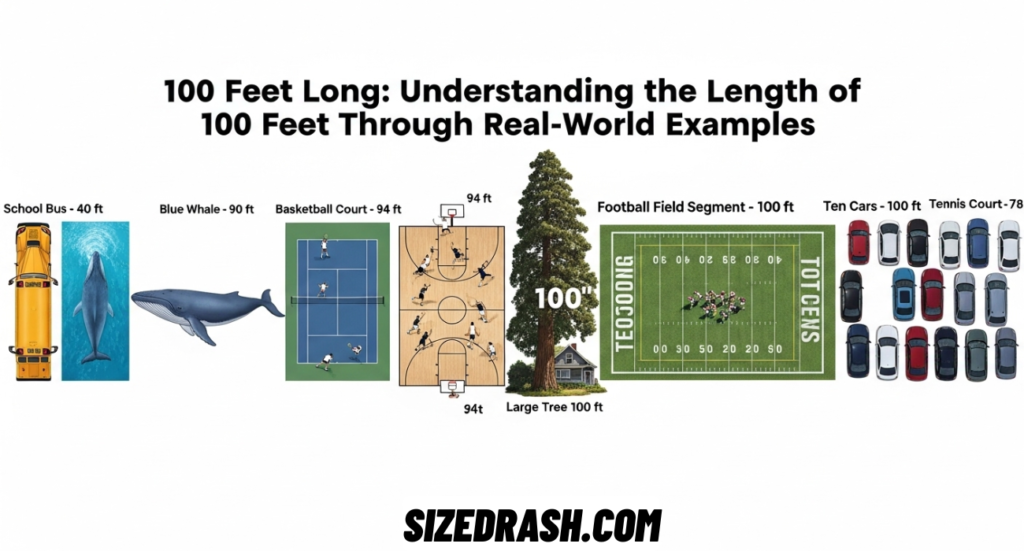
A single U.S. freight railcar often measures around 60 to 70 feet. When you imagine one full car plus half of another, you approach 100 feet long. Watching a train pass slowly makes this distance easy to track visually. Rail systems depend on consistent measurements to move massive loads safely across long distances. This example ties measurement to transportation, buildings, and national infrastructure. It also highlights how the length of objects determines efficiency, speed, and safety in large-scale operations.
Why trains create strong mental images
Trains move slowly enough for your eyes to follow. That steady motion helps lock in the scale and size of 100 feet length without effort.
19. A Commercial Construction Crane Boom
Large construction cranes often extend their booms to nearly 100 feet long. These machines dominate skylines and shape modern architecture. When fully extended, the boom creates a straight, visible line that clearly shows distance. Workers rely on precise measurements here because even small errors matter at height. This example blends man-made environments with engineering skill, showing how understanding such lengths keeps projects safe and efficient.
Why cranes improve spatial awareness
Seeing a crane overhead forces you to look up. That vertical view reinforces the height of structures and makes how big is 100 feet feel undeniable.
20. A Professional Swimming Pool Deck Length
While the Olympic swimming pool focuses on water, many pool decks stretch close to 100 feet length along one side. Walking this distance barefoot feels longer than expected. Pool designers use these measurements to manage crowd flow and safety. This example ties into sports field design and leisure spaces, making measurement feel relaxed and familiar. It also connects back to swimming pool length, reinforcing spatial understanding through repetition.
Why pool decks change perception
Without walls nearby, open decks exaggerate space. That openness sharpens your visual perspective of 100 feet long instantly.
21. A Row of Five Pickup Trucks
Most full-size pickup trucks measure about 20 feet long. Lining up five bumper to bumper creates a clean real world comparison close to 100 feet long. In parking lots or construction sites, this setup appears naturally. Vehicles rely on standardized sizing, which helps people judge distance subconsciously. This example blends everyday life with transportation, making the length of objects easy to imagine.
Why vehicles are useful references
People see cars daily. Familiarity makes what measures 100 feet in length easier to understand without mental strain.
22. A Coastal Boardwalk Section
Many coastal boardwalks divide walking paths into sections around 100 feet length. As you stroll past shops and benches, you often cross this distance smoothly. Boardwalk designers use repeated measurements to manage foot traffic and safety. This example connects nature, tourism, and man-made environments. The sound of waves and open air also enhance visual perspective, making distance feel relaxed but noticeable.
Why boardwalks make distance memorable
Movement plus scenery improves memory. That combination strengthens understanding such lengths naturally.
23. A Wind Turbine Blade
Modern wind turbine blades often stretch close to 100 feet long. These massive structures dominate open landscapes and represent renewable energy progress. Seeing one blade parked on the ground reveals its true size. Engineers calculate every inch because balance and airflow depend on exact dimensions. This example blends architecture transportation nature, showing how measurement shapes sustainable technology.
Why turbine blades show true scale
Their size looks unreal until you stand nearby. That shock locks in the scale and size of 100 feet length instantly.
FAQs
How big is 100 feet long in real life?
100 feet long equals 1,200 inches or 30.48 meters, which is about the length of a short city block, two semi-trailers, or a ten-story building stacked vertically.
What measures 100 feet in length that people see often?
Common things that are 100 feet long include parts of a football field, large bridges, certain aircraft like the Boeing 737-500, and tall trees such as the Eastern Cottonwood Tree.
Is 100 feet long considered a large distance?
In everyday life, 100 feet length feels moderate, yet when viewed as the height of structures or large wildlife, it suddenly feels much bigger and more impressive.
Why is understanding the length of 100 feet important?
Knowing how big is 100 feet improves visual perspective, helps with planning and safety, and builds better awareness of scale and size in both natural wonders and man-made environments.
Conclusion
The idea of 100 Feet Long becomes clear when you connect it to real objects and places. This length appears in sports fields, buildings, trees, and large animals. These examples turn numbers into pictures you can understand. Learning measurements like this builds strong awareness of distance and space. It also helps you see how design, nature, and daily life depend on accurate size and scale.
Understanding 100 Feet Long supports learning in math, science, and geography. It also improves how you judge space around you. When you walk, build, or observe, this knowledge guides your thinking. Clear measurement skills grow confidence and accuracy. They help you understand the world in an organized and meaningful way.