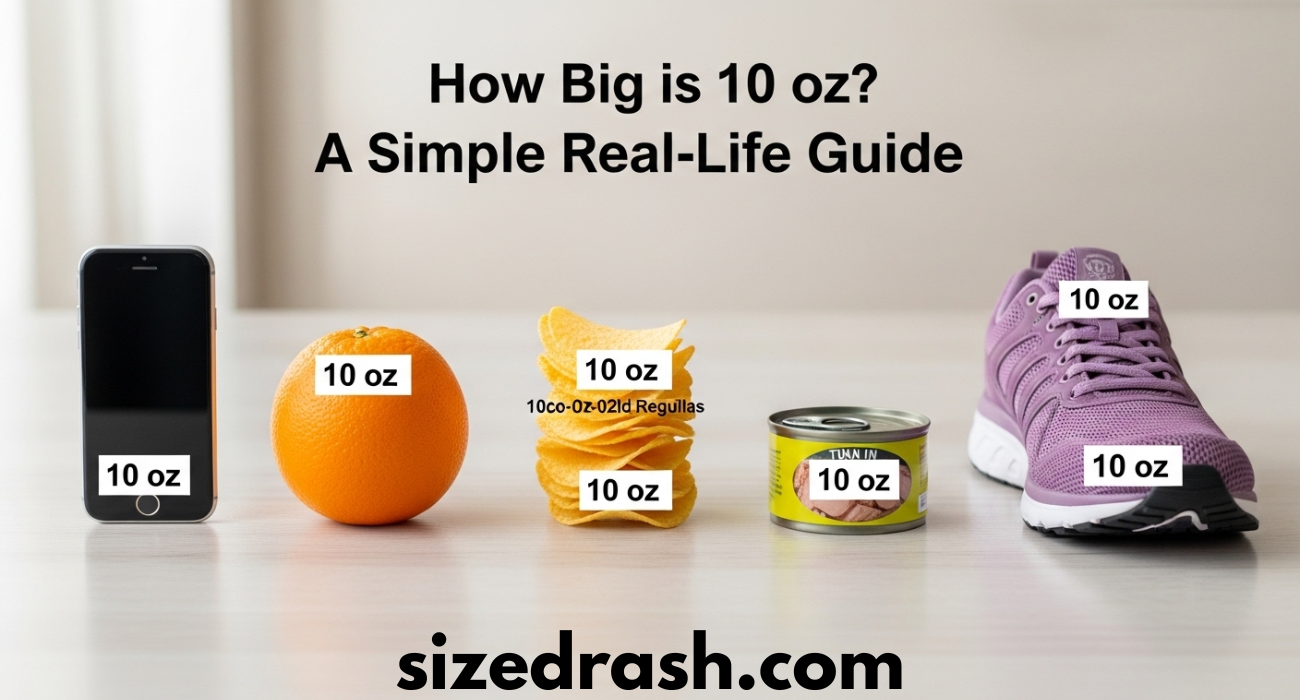
How Big Is 10 Oz? A Simple, Real-Life Guide to Understanding 10 Ounces Weight
How big is 10 oz means understanding the size and weight of ten ounces. It describes how heavy an object feels in your hand. People use this idea to compare weight in daily life.
How big is 10 oz often sounds confusing at first. Numbers alone feel hard to imagine. Real objects make the answer clear and easy.
How big is 10 oz relates to food, sports, and home items. It helps with cooking and shipping. It also improves everyday weight judgment.
How much is 10 Ounces?
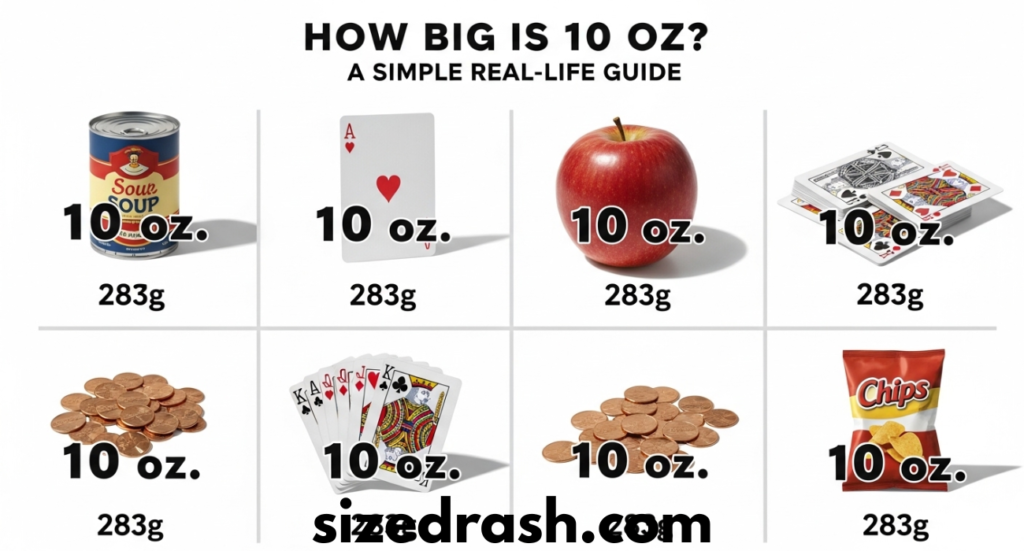
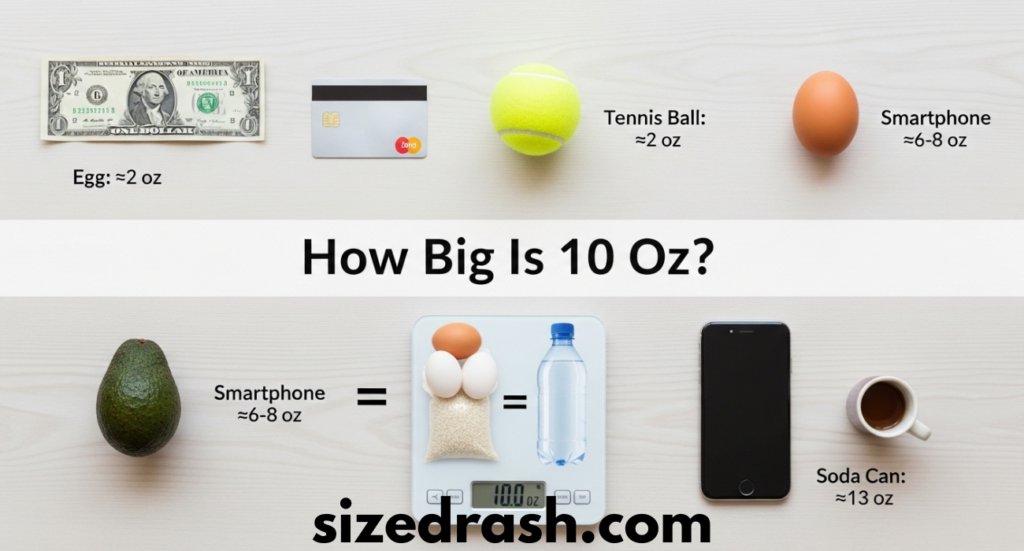
When people ask how much is 10 ounces, they usually want something solid to picture. In basic terms, 10 ounces equals about 283 grams through ounce to grams conversion, which also fits neatly into grams and milligrams conversion systems. Since 16 ounces equal one pound, ten ounces comes out to two thirds of a pound, which helps during pound conversion in daily tasks.
This matters in real life more than you expect. In kitchens, accurate measuring in daily life keeps recipes balanced. In shipping, weight limits decide costs. Because an ounce is a unit to measure weight, understanding it builds confidence when scales aren’t around and supports understanding weight without scale in everyday situations.
Read Also;18 Inches Long in Real Life: Common Things That Measure 18 Inches
Are Ounce and Fluid Ounce Identical?
Many people mix up ounce vs fluid ounce, and that confusion causes real problems. An ounce measures weight, while a fluid ounce measures volume. This fluid ounce difference explains why oil, water, and milk behave differently. One deals with mass. The other handles space, or fluid ounce volume.
The key lies in weight vs volume. Solids rely on ounce measurement as part of weight measurement units, while liquids depend on volume. Using the wrong one can ruin recipes or lab work. Knowing this difference sharpens practical weight comparison skills and improves accuracy in everyday decisions.
Common Things That Weigh 10 Ounces :
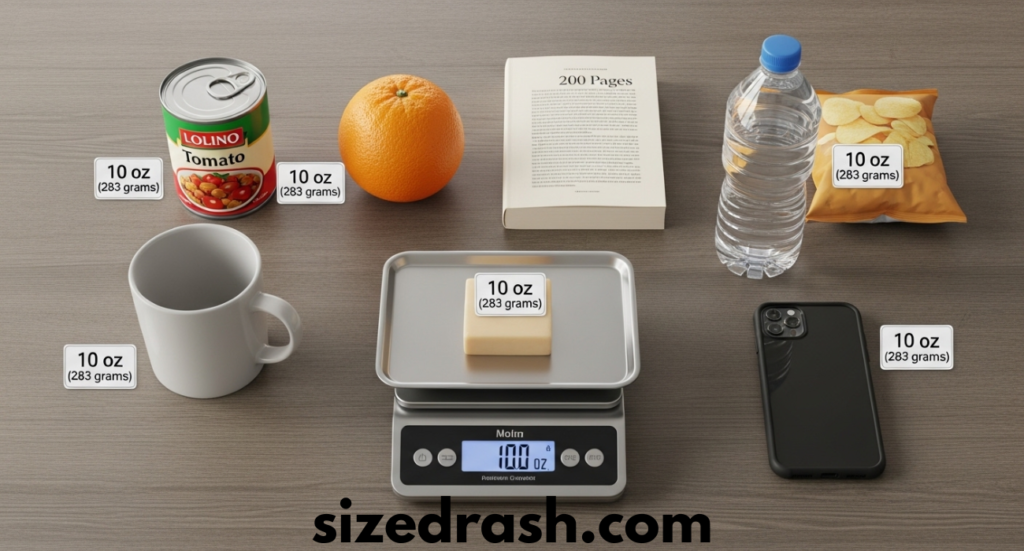
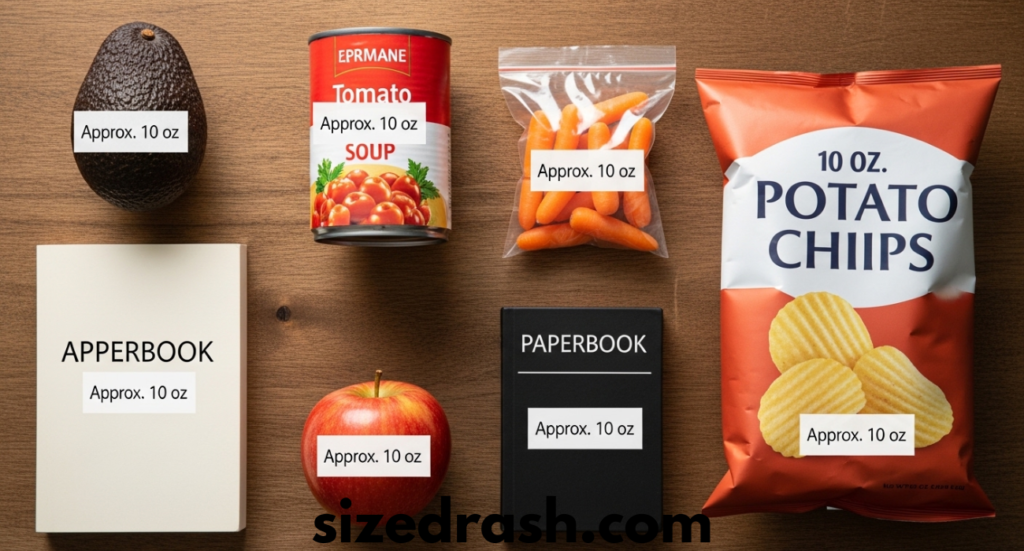
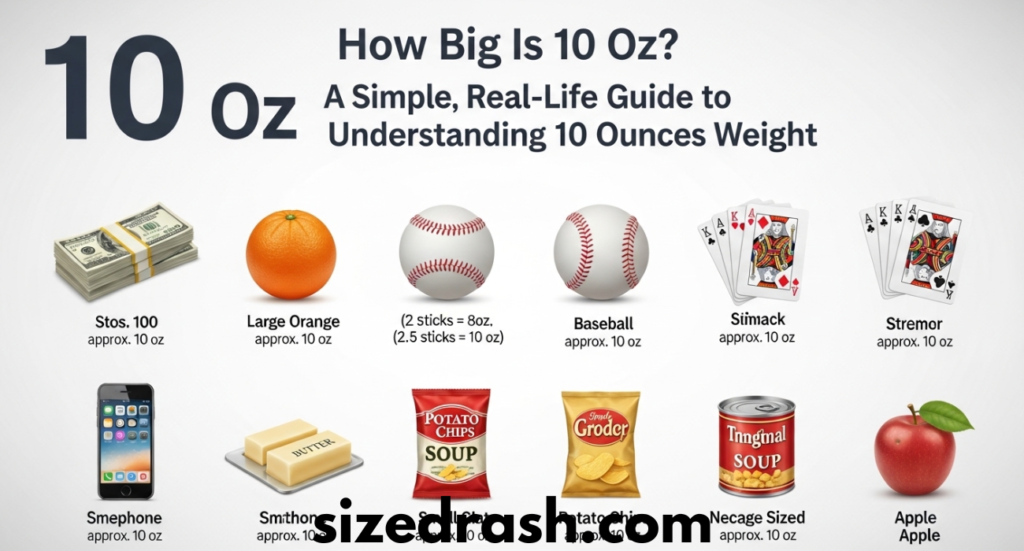
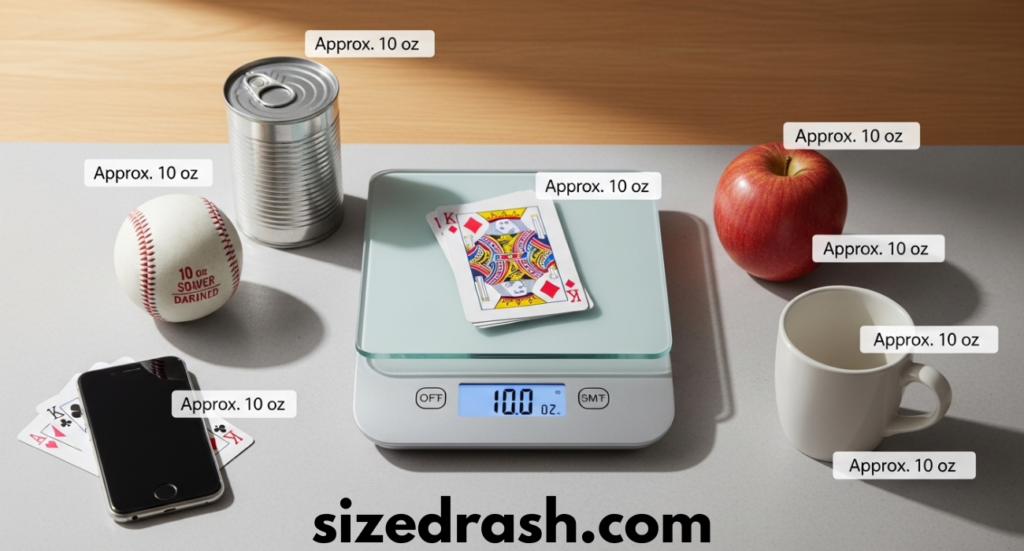
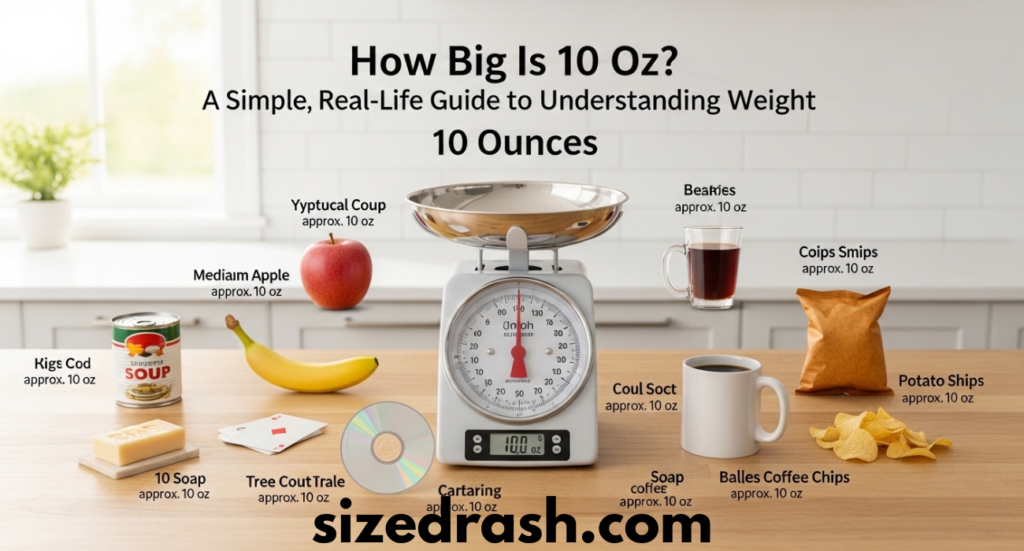
The easiest way to understand size is through everyday items weight. Seeing and holding objects builds memory faster than numbers alone. These common things that weigh 10 ounces turn abstract math into real world weight examples you already recognize from home, sports, food, and gaming.
Each example below works as an educational weight comparison. These objects reflect household items weight, sports equipment weight, gaming controller weight, and snack food weight. Together, they form a reliable mental toolkit for judging weight anywhere.
1. A Hockey Puck

A single puck weighs about five ounces, so two match hockey puck weight at ten ounces. Holding them gives an instant feel for balance and density. This comparison works well because sports gear uses tight standards, making it a trusted weight reference everyday objects example.
2. 3 Decks of cards
One deck weighs just over three ounces, so three stacked decks equal decks of cards weight close to ten ounces. Cards feel light alone, yet combined they surprise you. This makes them ideal everyday household objects for fast mental estimates.
3. A Cereal Bowl
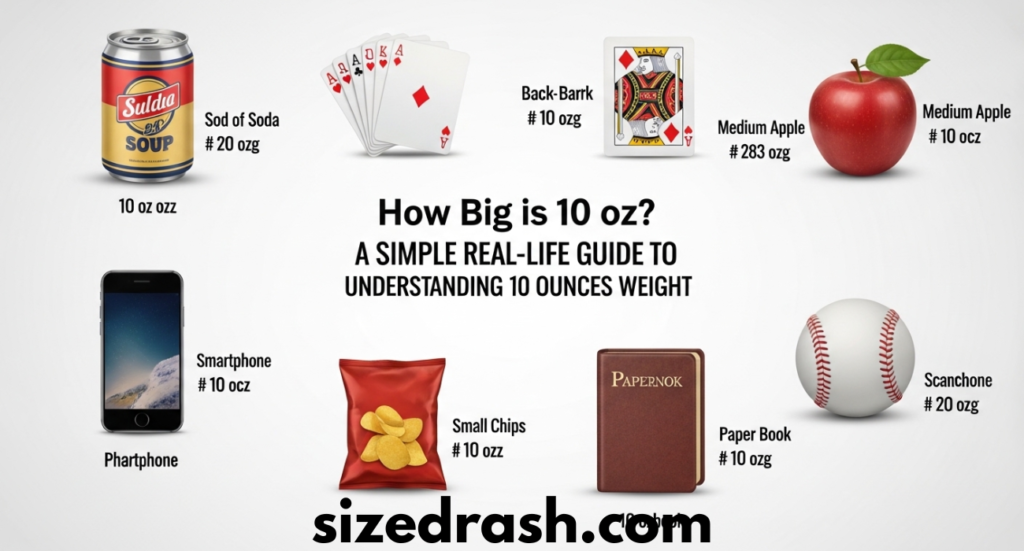
A standard bowl often matches cereal bowl weight near ten ounces, depending on material. Kitchens rely on bowls daily, which makes them perfect for common household measurements and cooking and baking measurements without thinking twice.
4. 2 Baseball Bats
This comparison uses baseballs, not bats. Two baseballs equal ten ounces through baseball weight standards. Sports balls stay consistent worldwide, which helps form reliable practical weight comparison habits you can trust anywhere.
5. A Paper Towel Roll
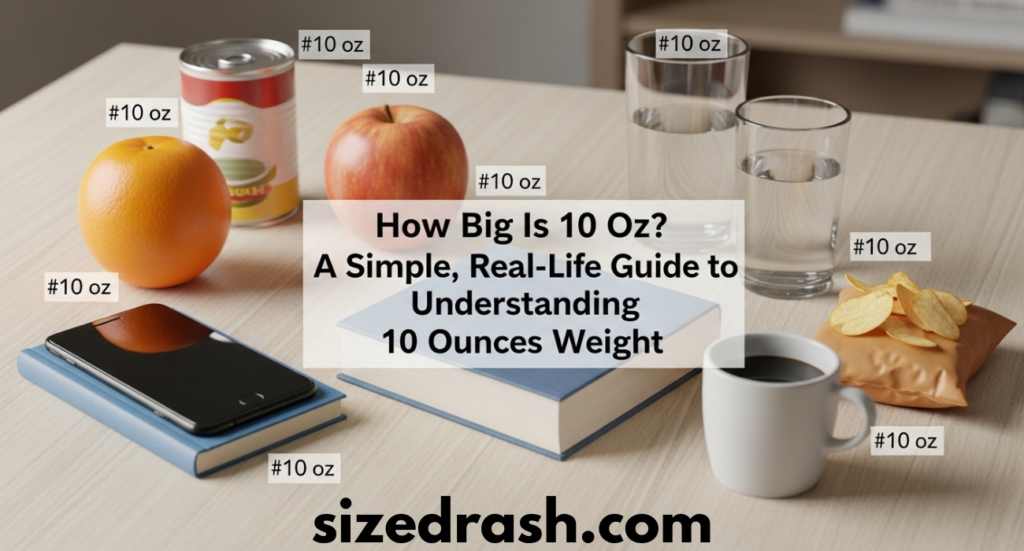
Most brands design rolls close to paper towel roll weight of ten ounces. Because every home uses them, they serve as a dependable household items weight benchmark for quick checks.
6. Ten Bic Ink Pens
Each pen weighs about one ounce, so ten match Bic ink pens weight exactly. Office supplies work well for understanding weight without scale, especially in schools and workplaces.
7. Lay’s Classic Potato Chips ( Family Size )
The labeled weight of this bag reflects Lay’s Classic Potato Chips family size near ten ounces. Food packaging offers some of the most accurate snack food weight references available.
8. A Box of Eight 60-Watt Bulbs
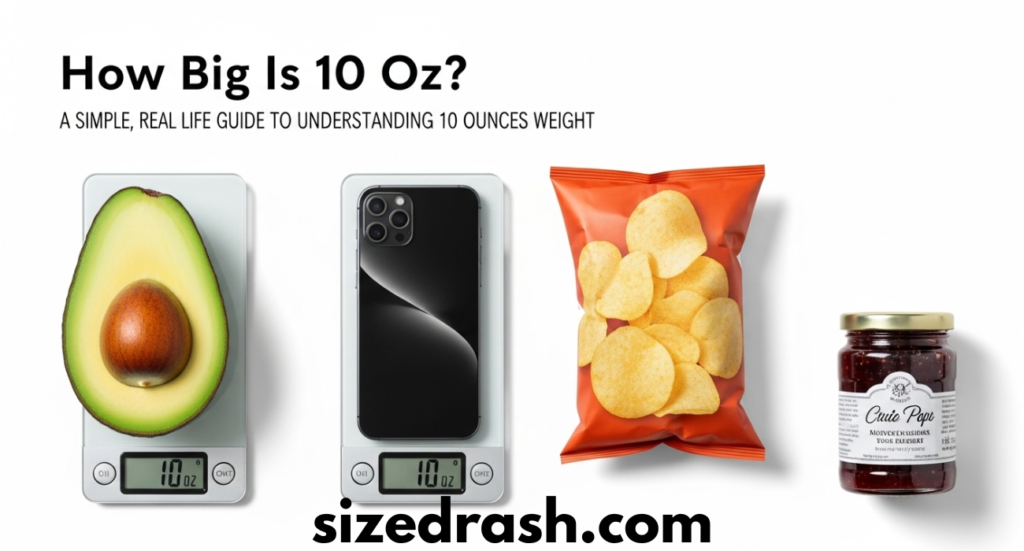
Each bulb weighs just over an ounce, so the full pack matches 60 watt light bulbs box weight. This shows how small items add up, reinforcing everyday items weight awareness.
9. Regular-Size Pro Boxing Gloves
Professional gloves often weigh ten ounces exactly, matching pro boxing gloves weight standards. Fighters depend on precision, which makes this a trustworthy sports equipment weight example.
10. 12 Double-A Batteries
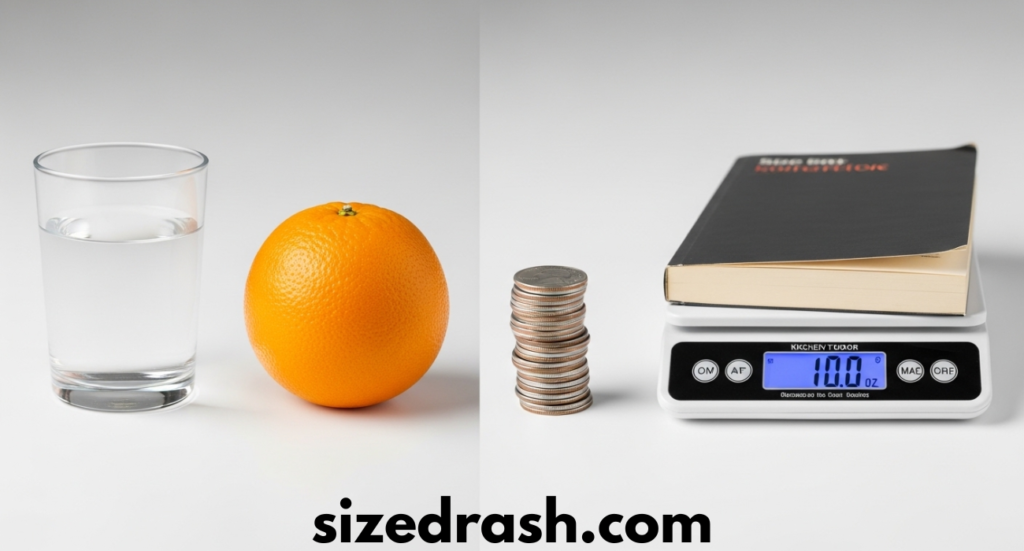
Each battery weighs just under an ounce, so twelve reach AA batteries weight near ten ounces. Batteries appear everywhere, making them useful real world weight examples.
11. Xbox Series X Controller
At nearly ten ounces, this controller represents Xbox Series X controller weight well. Gamers instantly recognize the heft, turning playtime into a subtle weight lesson.
12. PlayStation 5 Controller
The DualSense sits close to ten ounces, matching PlayStation 5 controller weight. Holding it for long sessions builds an unconscious understanding of this weight class.
13. 5 Fun-Size Snickers Bar
Each bar weighs about two ounces, so five equal fun size Snickers bars at ten ounces. Snacks make weight learning enjoyable and memorable.
14. 10 Standard-Sized Wooden Pencils
One pencil weighs roughly one ounce, making wooden pencils weight easy to scale. Ten together form a clean, classroom-friendly reference.
15. Set of 5 Tennis Balls
Each ball weighs two ounces, so five reach tennis balls weight at ten ounces. Sports consistency makes them ideal for educational weight comparison.
10 Ounces Conversion Table
| Measurement Type | Value |
| Ounces | 10 oz |
| Grams | 283 g |
| Pounds | 0.625 lb |
| Milligrams | 283,000 mg |
16. A Medium-Sized Paperback Book
A typical paperback book often lands close to ten ounces, depending on paper thickness and page count. Holding one gives a calm, steady feel that reflects 10 ounces weight well. Because books distribute weight evenly, they help you develop a tangible sense of weight without strain or awkward balance.
Readers handle books for long periods, which quietly trains your hands to recognize this size. That familiarity supports understanding weight without scale in everyday moments. When mailing books, this reference improves mailing and shipping weight estimates and reduces surprises at the counter.
17. A Smartphone with a Protective Case
Many modern smartphones with sturdy cases approach ten ounces. The combination of glass, metal, and rubber creates a balanced heft similar to gaming controller weight. Since phones rarely leave your side, they act as silent teachers of everyday items weight.
Because you grip phones often, your brain remembers their feel quickly. That memory helps with practical weight comparison later. You may not realize it, yet this constant exposure builds confidence in judging weight measurement units without conscious effort.
18. A Small Hardcover Notebook
Compact hardcover notebooks often weigh close to ten ounces due to dense covers and thick pages. This makes them useful household items weight references. Unlike soft notebooks, their rigidity creates a firm, noticeable presence in your hand.
Students and professionals carry these daily, reinforcing accurate measuring in daily life through repetition. Over time, this habit strengthens educational weight comparison skills, especially when estimating bundles of similar items.
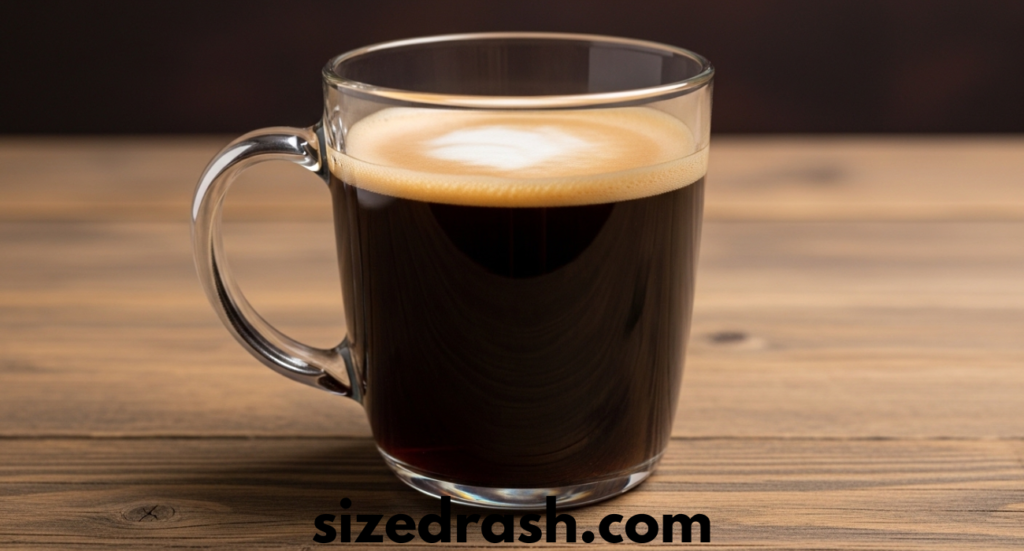
19. A Coffee Mug Filled Halfway
A ceramic mug alone weighs several ounces, and when filled halfway, it approaches ten ounces total. This blend of solid and liquid highlights weight vs volume clearly. It also reinforces why ounce vs fluid ounce matters in kitchens.
This example connects directly to cooking and baking measurements. Pouring, lifting, and sipping build muscle memory. That routine helps you judge fluid ounce volume versus solid weight with greater ease over time.
20. A Small Bag of Rice or Beans
Pre-packaged rice or beans often come in ten-ounce portions. These foods feel dense, making them ideal for real world weight examples. Their compact size surprises many people expecting something larger.
Handling pantry staples builds awareness of common household measurements. This familiarity helps during meal prep and grocery planning. Over time, these experiences refine your sense of ounce measurement without conscious calculation.
21. A Compact Bluetooth Speaker
Portable speakers frequently weigh around ten ounces to balance sound quality and portability. This makes them relatable everyday household objects for weight learning. The solid build gives a confident, grounded feel.
Music lovers carry speakers outdoors, which reinforces weight reference everyday objects naturally. Each lift strengthens awareness of this weight range, making future estimates quicker and more accurate.
22. A Small Tool Set in a Pouch
Mini tool kits often hit ten ounces due to metal density. This example highlights how material affects everyday items weight. Metal feels heavier than plastic at the same size, sharpening perception.
DIY tasks demand attention, so your hands remember the load. That memory supports practical weight comparison and improves judgment when lifting unfamiliar objects during home projects.
23. A Stack of Five Compact CDs
Five standard CDs with cases together weigh close to ten ounces. Media collections once taught many people common household measurements without realizing it. The uniform size makes comparison simple.
Although digital media dominates now, this example still works well. It reinforces weight measurement units through repetition and balance, helping you visualize how much is 10 ounces with clarity and confidence.
FAQs
How big is 10 oz compared to everyday objects?
Ten ounces feels similar to holding a gaming controller, a cereal bowl, or two baseballs together, making it easy to recognize through familiar items.
How much is 10 ounces in pounds and grams?
Ten ounces equals about 0.625 pounds, which is roughly two thirds of a pound, or around 283 grams using standard conversions.
Is 10 oz the same as 10 fluid ounces?
No, 10 oz measures weight, while 10 fluid ounces measure volume, and the difference matters most when working with liquids.
Why is understanding how big 10 oz important in daily life?
Knowing how big 10 oz is helps with cooking, shipping, and quick estimates when you don’t have a scale nearby.
Conclusion
Understanding how big is 10 oz becomes simple when you connect numbers to real objects. Ten ounces does not feel heavy or light. It sits right in the middle. You can picture it through items you use every day, like a game controller, a cereal bowl, or a small bag of snacks. These examples help your brain remember weight without effort. This knowledge supports better judgment in daily tasks.
Knowing how big is 10 oz also builds confidence. You can measure food more accurately. You can estimate package weight before shipping. You can avoid mistakes in school projects and home activities. Clear understanding leads to better results. With practice, weight estimation becomes natural. This skill stays useful for life and supports learning in many subjects.