What Weighs 100 Grams? – Everyday Items You Can Visualize
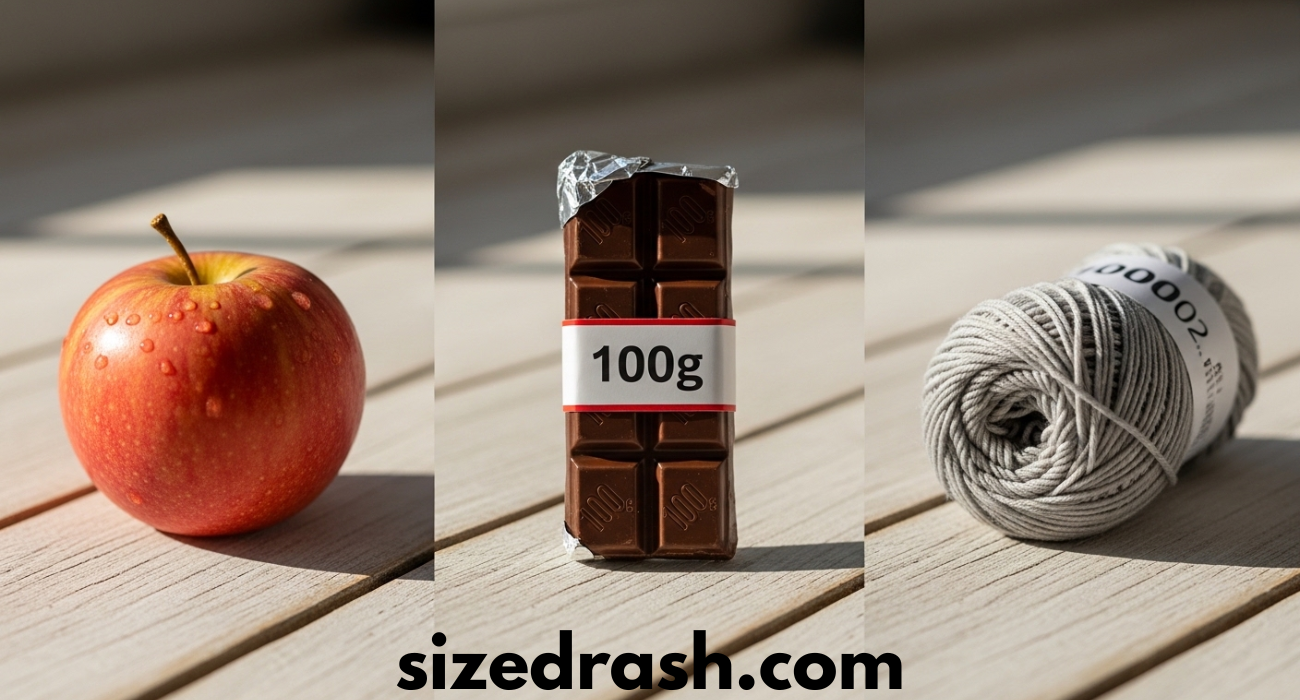
What weighs 100g means the weight of an object that equals 100 grams. One hundred grams is a small unit in the metric system. It is also equal to 0.1 kilograms, 3.527 ounces, or 0.220 pounds.
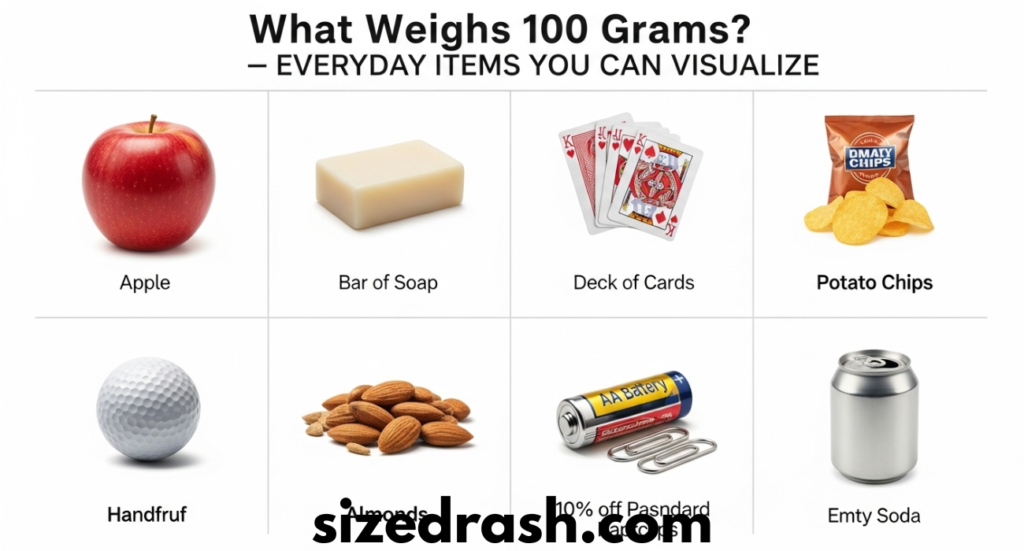
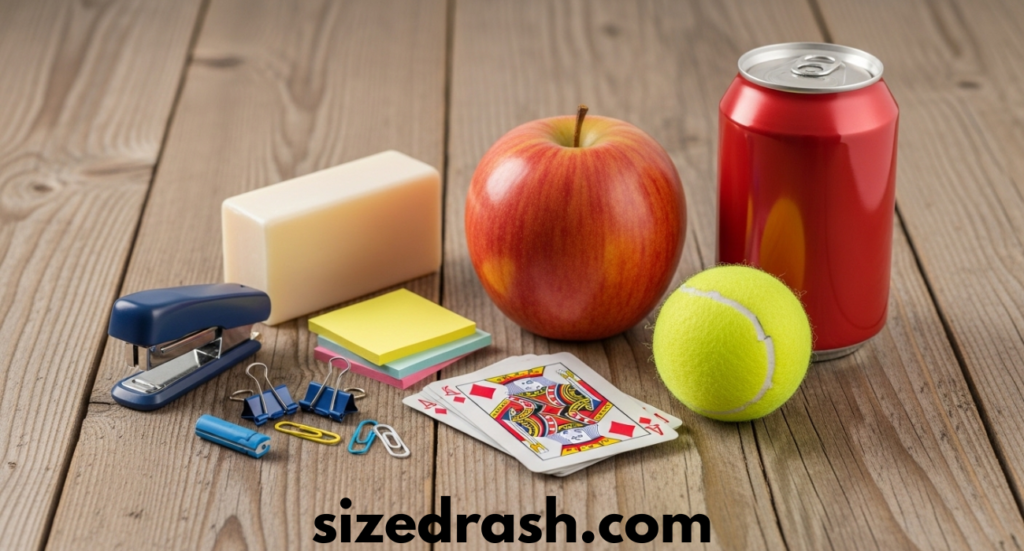
You can imagine what weighs 100g by looking at everyday objects. Two tennis balls or a stick of butter are close to this weight. It helps to see and feel the weight in real life.
Many household items, fruits, coins, and small toys weigh about 100 grams. Knowing what weighs 100g helps in cooking, school projects, and small measurements. It makes understanding grams and weight easier.
How Heavy is 100 Grams?
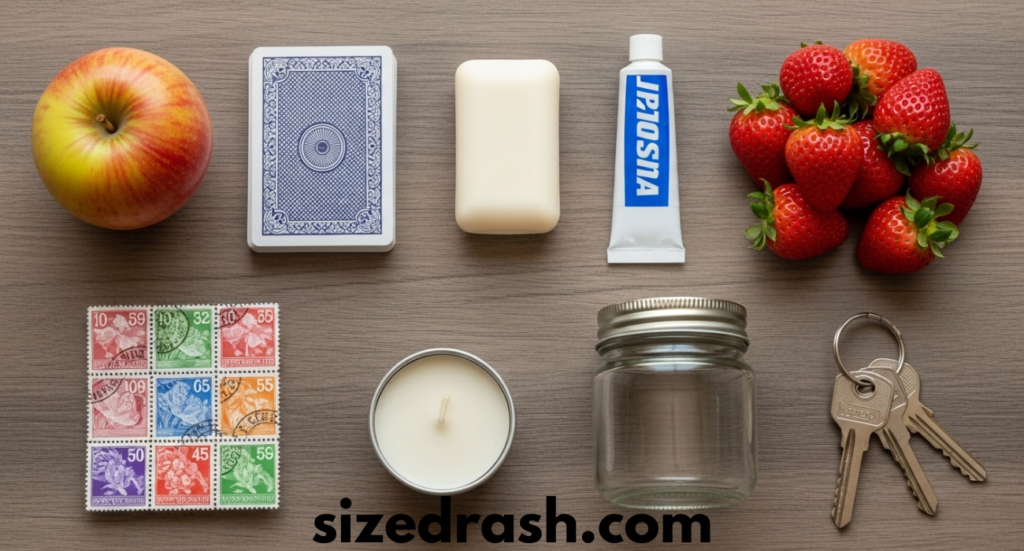
The concept of 100 grams might seem abstract, but it becomes clearer when you compare it to familiar items. For example, a single tennis ball weighs about 59 grams, so two together roughly equal 100 grams. Understanding this weight category allows you to make fast estimations, especially when precise measurement is needed. Daily tasks like cooking often require splitting ingredients into exact portions, and knowing what weighs 100 grams makes this easier.
To put this into perspective, 100 grams is about 0.1 kilograms or 0.220 pounds in the imperial system. You can also use a weight converter to quickly check numeric conversions between ounces, kilograms, and pounds. This understanding helps with scientific work, shipping, and small-scale measurements at home. Visualizing this weight with everyday objects allows you to connect abstract grams with tangible examples for practical reference.
Read Also;2 Inches Long: Everyday Items to Visualize 2 Inches
| Unit | Equivalent of 100 grams |
| Ounces | 3.527 oz |
| Pounds | 0.220 lbs |
| Kilograms | 0.1 kg |
HouseHold Items That Weigh 100 Grams
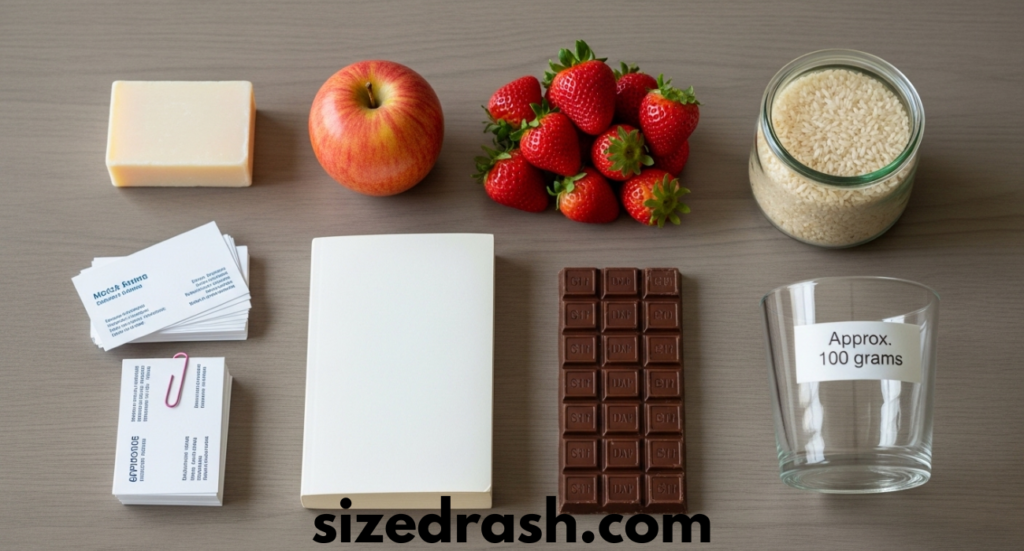
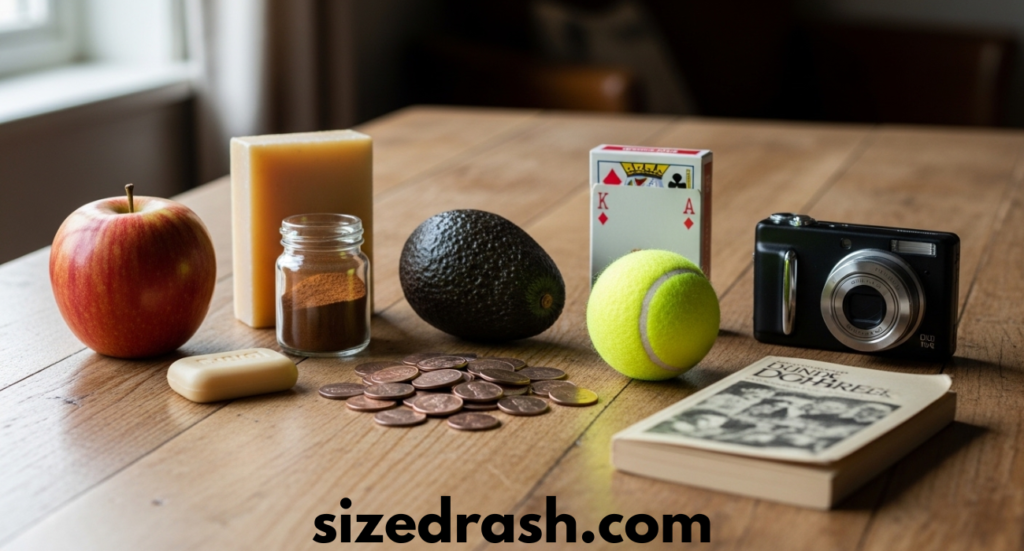
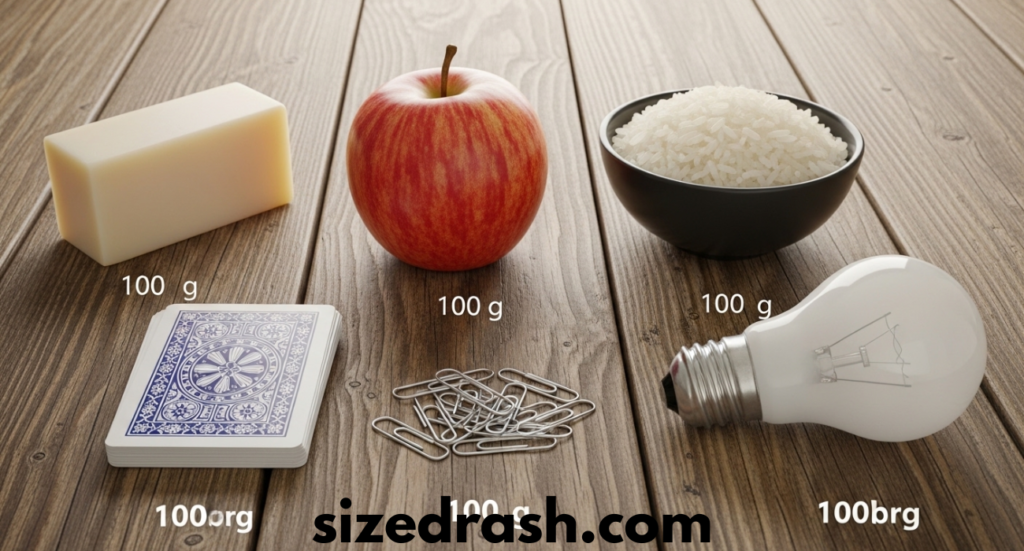
Visualizing 100 grams becomes easier when you use household items as a reference. For example, two tennis balls together weigh just above 100 grams, making them a perfect practical example. Similarly, 20 US nickels or 20 pence coins also equal 100 grams, offering an accessible estimation technique for people who need to check weights without a scale. Using these items provides a tangible sense of size, material, and weight in a real-world context.
Other everyday objects like a small kiwifruit or avocado, all-purpose glue, or a stick of butter can also serve as references. Each item allows you to visualize weight in a simple, hands-on way. For cooking, grocery shopping, or small-scale scientific experiments, these objects provide accurate weight comparisons, showing how the metric system translates into practical use in daily tasks.
1. Two Tennis Balls
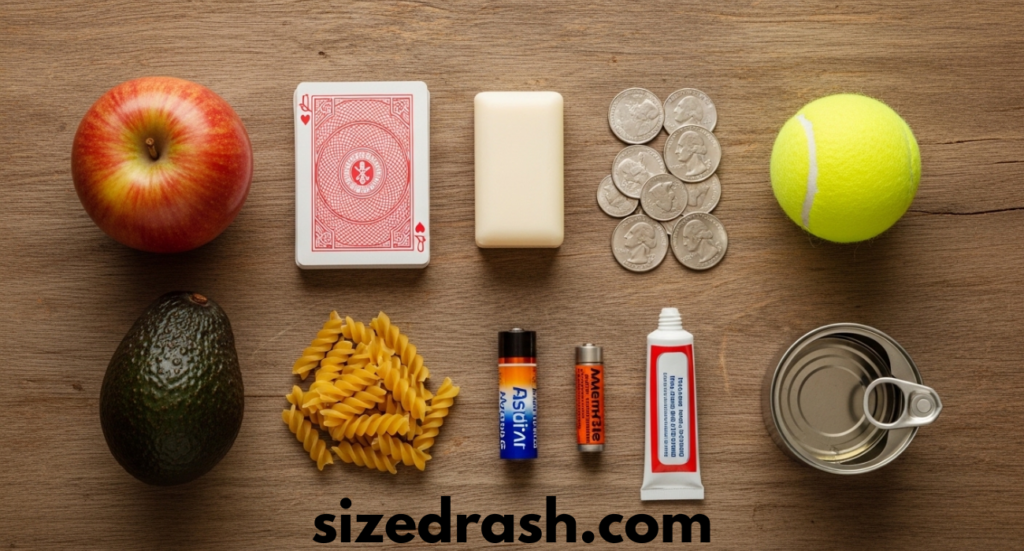
Two tennis balls together weigh roughly 100 grams, providing an excellent visual comparison. Each ball weighs about 59 grams, so holding two gives you a practical reference. They are easy to find at home, and their material and size make it simple to imagine weight distribution for sports equipment or household objects.
Besides being a fun reference, tennis balls demonstrate how rubber core and flight dynamics contribute to their average weight. If you halve a tennis racket’s weight, you can even compare it to 100 grams, which helps in estimating weights for various small items in daily life.
2. 20 US Nickel
A single US nickel weighs exactly 5 grams, so 20 nickels together reach 100 grams. This provides a convenient way to measure weight using common household materials without a scale. Coins serve as a practical example for teaching measurement concepts or conducting small-scale scientific work at home.
Because they are standardized, nickels give a reliable numeric conversion and help understand weight categories in the imperial system. Using coins is also useful in packaging and shipping, where precise measurements matter, and in situations where you need a tangible sense of grams quickly.
3. 20 Pence Coins
Similar to US nickels, 20 pence coins weigh about 100 grams. This comparison shows that even international coins can act as a reference for weight estimation. For Americans, understanding pence coins alongside US coins gives a broader metric system perspective for weight measurement.
These coins are particularly helpful in classrooms or labs where standard weights might not be available. They offer an everyday reference that is portable, practical, and easy to visualize. Learning from small items like coins strengthens your understanding of grams and weight conversion in real-world applications.
4. A Kiwifruit/Avocado
A small kiwifruit or avocado typically weighs around 100 grams, offering a simple visual reference. These culinary ingredients are common in grocery shopping, making them convenient for daily weight estimation. The range of sizes demonstrates that weight can vary, but an average small fruit provides a clear practical example.
Using fruits teaches measurement concepts without a scale and connects the metric system to kitchen staples. This approach offers a tangible sense of grams, helping you visualize 100 grams when measuring other household items or small-scale cooking ingredients.
5. All-Purpose Glue
A bottle of all-purpose glue weighing 100 grams is a useful reference for small household items. Craft glues like Pritt or Fevicol are common kitchen staples, and the packaging provides a precise measurement close to 100 grams. Using glue bottles helps with daily tasks, arts, and home repairs while showing how material, size, and packaging influence weight perception.
All-purpose glue is versatile and portable, making it an ideal tangible tool for estimating small-scale weights. It also highlights the importance of standard weights in practical applications such as crafting, home projects, or even scientific work, where weight accuracy matters.
6. Stick of Butter
A stick of butter in the US weighs about 113 grams, slightly above 100 grams. Half a stick equals roughly 50 grams, which is perfect for cooking and baking. Butter serves as a visual and practical example of weight estimation in daily culinary tasks, showing how kitchen staples can be used to understand grams.
Butter also demonstrates how material, size, and density contribute to weight perception. By comparing sticks of butter, you gain a tangible sense of weight categories and how small-scale measurement works for practical applications, like portion control or recipe adjustments.
7. 2 Golf Balls
Two golf balls weigh roughly 100 grams combined, with each ball around 45–46 grams. This is a fun practical reference for understanding weight distribution. The rubber core and flight dynamics of golf balls influence their average weight, making them an interesting example of sports equipment measurement.
Golf balls also teach visualization of weight for small items. If you add a golf tee, you can experiment with estimations in daily life. This is a hands-on approach to learning metric system concepts while linking weight perception to familiar objects.
8. 100 Paper Clips
A standard paper clip weighs about 1 gram, so 100 clips equal 100 grams. This is an accessible way to understand weight for school projects or office tasks. Paper clips highlight small-scale measurement and show how common household materials can be used as practical examples of weight categories.
Even the packaging of paper clips adds slight variation, illustrating the range in weight between items of the same category. They are perfect for daily tasks where accurate weight visualization helps with organization, shipping, or scientific demonstrations.
9. Sugar or Salt
Half a cup of sugar or salt equals approximately 100 grams. These culinary ingredients are crucial for cooking and baking, and measuring them provides a practical example of metric conversions in the kitchen. Using sugar or salt demonstrates weight, size, and material, making it easy to visualize 100 grams in a tangible way.
Measuring sugar or salt teaches estimation techniques for daily tasks and reinforces numeric conversion skills. It also emphasizes precision in small-scale measurements, which is vital for recipes, shipping small quantities, and scientific experiments involving common household materials.
10. A Banana
A medium banana weighs around 120 grams, slightly above 100 grams. It serves as a visual reference for understanding weight in daily life. Bananas are common household items and help connect metric system concepts to everyday cooking.
Using a banana provides a tangible sense of weight for small items. It also teaches estimation skills, showing how slight variations in size and material affect weight perception. This makes bananas a practical reference in daily culinary tasks and grocery shopping.
11. A Newborn Kitten
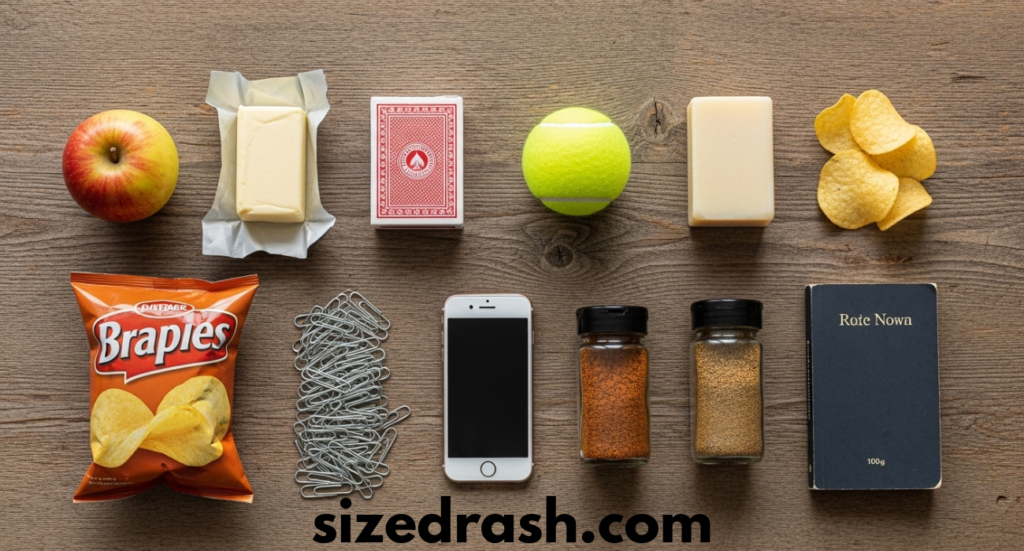
A newborn kitten weighs approximately 80–100 grams at birth. This fragile life example provides a hands-on way to understand weight and size in a tangible sense. Observing kittens teaches early development and highlights how small items vary naturally in weight.
This real-world reference allows you to visualize 100 grams in a context beyond household objects. Kittens also demonstrate how weight categories help with estimation, care, and scientific observation, making them a memorable example of small-scale measurement.
12. A Pocket Knife
A small pocket knife weighs roughly 100 grams. Its handle, blade, and materials contribute to a balanced, portable weight. Pocket knives are versatile tools for personal use, outdoor activities, or practical tasks, making them a hands-on example of weight estimation.
Using a pocket knife teaches metric system concepts and provides a tangible sense of weight for small objects. This helps with daily tasks, portability considerations, and understanding how material and design affect weight and functionality.
13. Two Medium Size Eggs
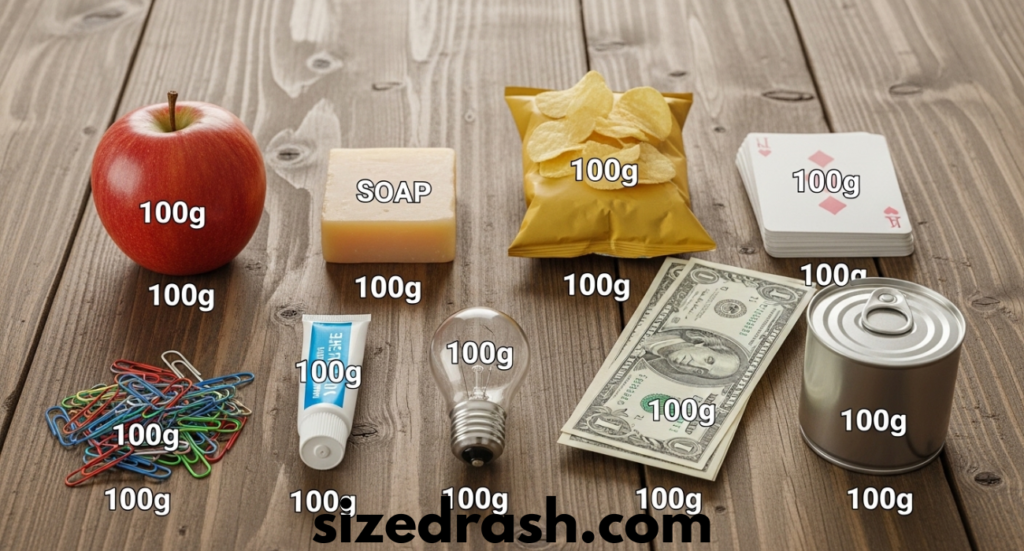
Two medium eggs together weigh approximately 100 grams, with each egg around 50 grams. This provides a practical example for baking and cooking, demonstrating weight distribution in kitchen staples. Using eggs helps with estimation techniques and metric conversion.
Whether boiled eggs or raw eggs, this reference teaches measurement concepts in a tangible way. Eggs also highlight variation in size and material, making them an ideal example of small-scale measurement in everyday life.
14. Apple Magic Mouse
An Apple Magic Mouse weighs roughly 100 grams, providing a modern, tech-oriented reference for weight. It is portable, functional, and easy to handle, making it a practical tool for visualizing 100 grams in daily life.
This example is ideal for personal use, browsing, or graphic design, showing how weight perception matters even in demanding applications. The handle, material, and size of the mouse demonstrate small-scale measurement concepts and give a tangible sense of weight for modern objects.
15. A Small Smartphone
A small smartphone often weighs around 100 grams, making it a modern practical reference for weight estimation. Holding one in your hand can help you visualize grams, understand material and size impact, and compare weight categories. For daily tasks, it’s an excellent tool to see how portable electronics relate to common household materials.
Smartphones demonstrate small-scale measurement, combining handle, battery, and casing materials. When estimating 100 grams, a phone provides a tangible sense of weight for tech-savvy users, helping in personal use, stability, or understanding weight perception in graphic design, browsing, and other demanding applications where accuracy matters.
16. A Small Paperback Book
A small paperback book weighs around 100 grams, giving a practical way to understand weight in everyday objects. Holding it can help with visualization, estimation, and comparison, especially for students or readers. Books also introduce metric system concepts to daily tasks like shipping, packing, or scientific experiments with precise weight measurements.
Books vary in page number, cover material, and size, offering a range of weights that teaches weight conversion and small-scale measurement. Using a paperback as a practical example makes 100 grams tangible, while highlighting the importance of standard weights and portable references for daily life and household items.
17. A Compact Mirror
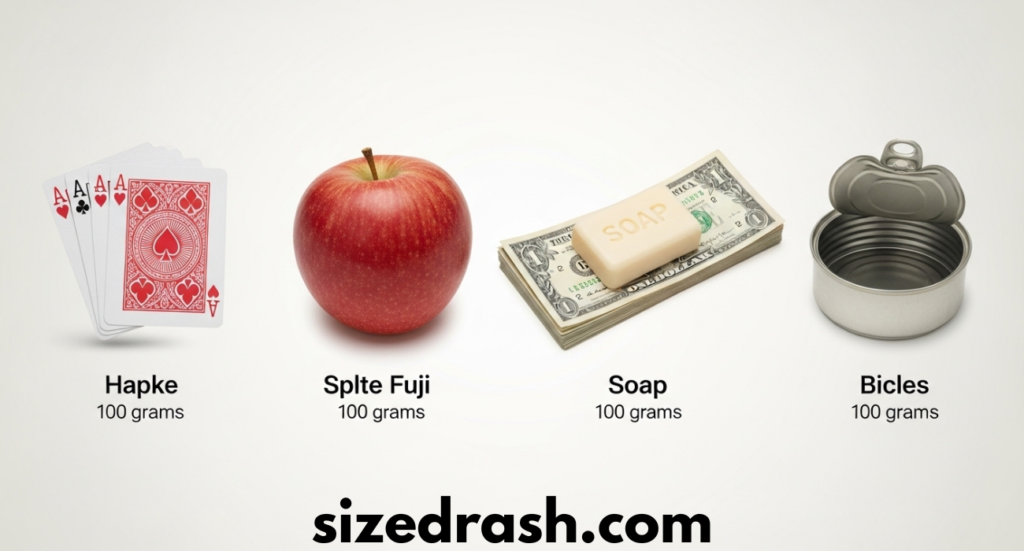
A compact mirror commonly weighs close to 100 grams, providing a simple way to visualize small items. Its handle, casing, and glass make it perfect for understanding weight distribution in everyday objects. This example is especially useful for personal use, portability, or learning weight estimation techniques for small-scale measurements.
The mirror demonstrates the impact of material and design on average weight. By comparing it to other household items, you gain a tangible sense of 100 grams, helping with cooking, shipping, or scientific work where precise measurement and practical reference are necessary for accurate results.
18. A Small Jar of Honey
A small jar of honey weighs about 100 grams, providing a sweet practical reference for understanding weight and material. This is particularly helpful in cooking and grocery shopping, where precise measurement is crucial. The jar’s size, packaging, and liquid content demonstrate how grams, weight, and density work together in everyday estimation.
Using honey helps teach metric system concepts and numeric conversion, making it easy to visualize 100 grams in the kitchen. It’s a tangible tool for learning weight categories, small-scale measurement, and practical examples for daily tasks involving household items, cooking, or shipping.
19. A Small Candle
A small candle weighing roughly 100 grams provides a hands-on way to understand weight in household items. Candles vary in material, wax type, and packaging, showing how these factors influence average weight. This makes them a great practical example for daily tasks like shipping, small-scale measurement, or visualization exercises for grams.
Using a candle also teaches estimation techniques and metric system conversions. It’s easy to compare weight categories, see the impact of material, and gain a tangible sense of 100 grams, which is useful for kitchen staples, craft projects, and personal use.
20. A Small Bag of Rice
A small bag of rice weighing 100 grams is a common household item that helps visualize weight and size. It’s perfect for cooking, portioning, and estimation, showing how material and packaging affect average weight. This provides a tangible sense for grams in daily tasks, grocery shopping, or scientific experiments requiring small-scale measurement.
The rice bag demonstrates weight distribution and numeric conversion between grams, kilograms, and ounces. It serves as a practical reference for small items, giving you a hands-on understanding of metric system concepts while connecting visualization, comparison, and precise measurement in everyday life.
21. A Small Jar of Spices
A small jar of spices weighs about 100 grams, providing an easy visual reference for weight estimation. Its material, packaging, and contents illustrate how size and density impact grams. Using spice jars helps with daily cooking, measurement, and comparison, giving a tangible sense of weight in kitchen tasks or grocery shopping.
This example also teaches metric system conversion and numeric calculation, making 100 grams relatable. Spice jars are perfect for understanding weight categories, practical examples, and small-scale measurement, showing how common household materials can improve estimation skills for everyday tasks and precise measurements.
22. A Small Plastic Toy
A small plastic toy often weighs close to 100 grams, providing a fun practical reference for weight estimation. Its size, material, and design influence its average weight, offering a hands-on way to visualize 100 grams. Toys are ideal for daily tasks, teaching measurement concepts, or small-scale comparisons at home or school.
Plastic toys also demonstrate weight distribution and density for small items. By comparing them with other household items, you gain a tangible sense of weight, helping with numeric conversion, practical examples, and understanding grams, ounces, and small-scale measurement in real-world applications.
FAQs
What is 100 grams in ounces and pounds?
100 grams equals about 3.527 ounces or 0.220 pounds, making it easy to convert for cooking, shipping, and scientific work.
Which everyday items weigh around 100 grams?
Common household items like two tennis balls, a stick of butter, 100 paper clips, or a small smartphone typically weigh about 100 grams.
How can I estimate 100 grams without a scale?
You can use practical references like coins, fruits, or small toys to visualize grams and perform a quick estimation.
Why is knowing what weighs 100 grams useful?
Understanding 100 grams helps with precise measurement, cooking, grocery shopping, shipping, and developing a tangible sense of weight for everyday objects.
Conclusion
Understanding what weighs 100g helps in many daily activities. Knowing this weight makes it easier to cook, measure items, or compare objects at home. You can use everyday things like two tennis balls, a stick of butter, a banana, or paper clips to see how 100 grams feels. Learning about weight, grams, and conversions also helps with school projects, scientific work, and small-scale measurements. Using these examples gives a tangible sense of weight and makes it easy to estimate grams without a scale.
By seeing what weighs 100g in real life, you understand weight, size, and material better. You can compare household items, fruits, coins, and toys to practice weight estimation. This knowledge makes daily tasks like cooking, shipping, and grocery shopping simpler. It also helps with learning measurement concepts and understanding practical references for small items. Using these examples regularly gives a strong sense of 100 grams, making learning about weights and measures fun and easy.