How Heavy Is 1 Gram? A Complete Guide to Everyday Weights
A gram is a small unit of weight. One gram is very light. How Heavy Is 1 Gram tells us the weight of tiny objects.
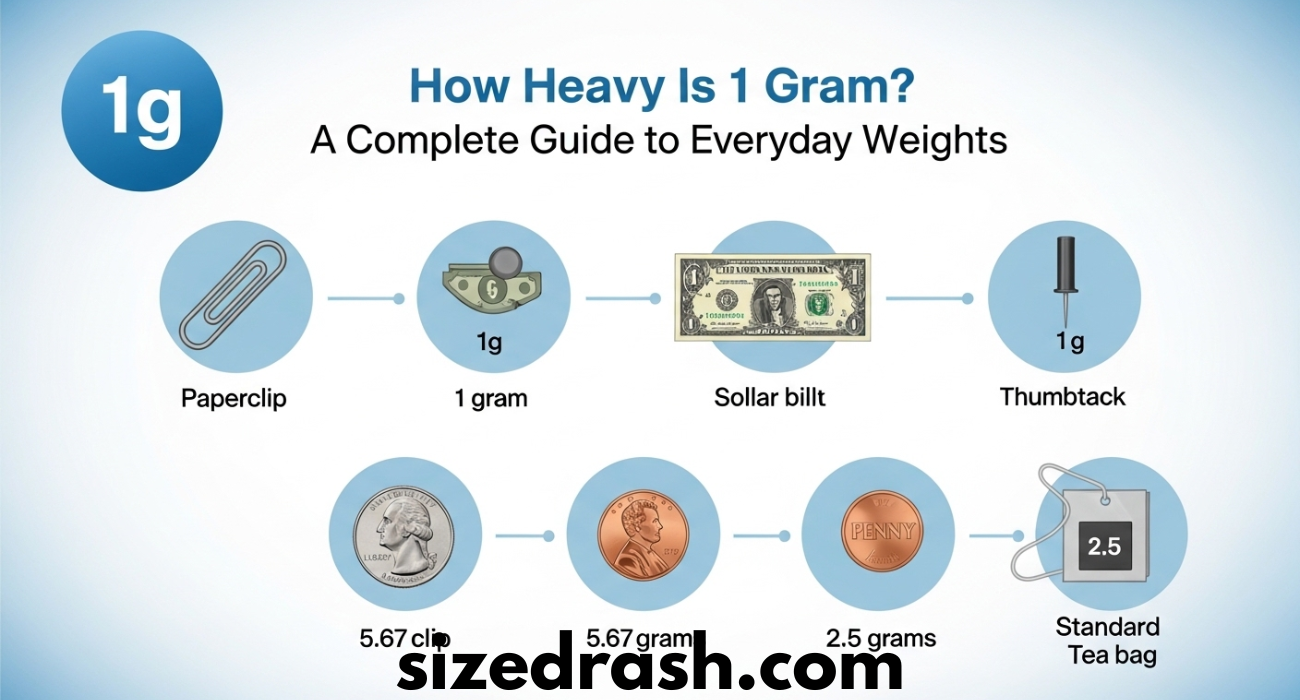
You can find one gram in many everyday items. A paper clip, a raisin, or a US dollar bill weighs about one gram. Seeing small things helps us understand weight quickly.
Knowing How Heavy Is 1 Gram is useful in the kitchen, office, or lab. It helps measure ingredients, supplements, and tiny objects. Learning one gram makes weight estimation easy and practical.
Household Items That Weigh 1 Gram
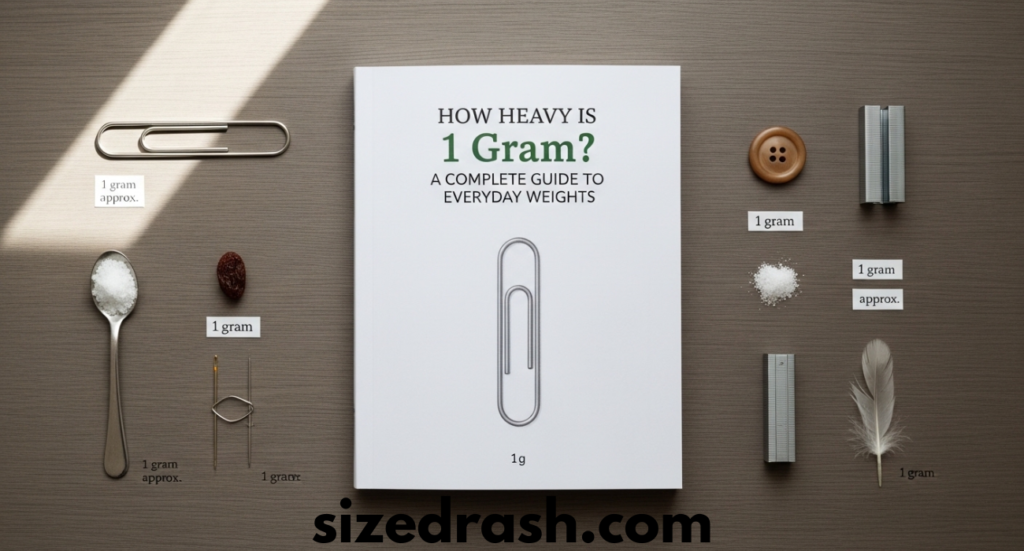
Finding objects that weigh around one gram makes this unit of measurement easier to grasp. Many household items are surprisingly consistent in weight, making them practical tools for quick weight conversion. Items like a paper clip or US dollar bill allow you to create a mental scale reference, while kitchen ingredients like fine-grain sugar help you estimate precise cooking measurements.
Even though these objects are tiny, their consistency in design and material provides a reliable standard. Using them for quick estimates also demonstrates how densities and sizes vary in everyday items. Whether you are handling office supplies, kitchen utensils, or snacks, these objects reveal the subtle power of a single gram in both practical and educational contexts.
Read Also;How Heavy Is Ten Pounds? Real Life Examples You Can Feel and Understand
1 milliliter (ml) of water
One milliliter of water weighs exactly one gram, making it a perfect reference for anyone learning about weight measurement. This relationship works because water has a density of 1 gram per milliliter at room temperature. In practical terms, this means a tiny droplet of water in your kitchen or lab can act as a simple weight converter for other lightweight items.
Using 1 ml of water as a reference also teaches precision. For example, if you need to measure a medical supplement or a small quantity of sugar for cooking, this connection helps you estimate one gram quickly. This makes it one of the most accessible and accurate household items to understand measurement subtleties.
A US Dollar Bill
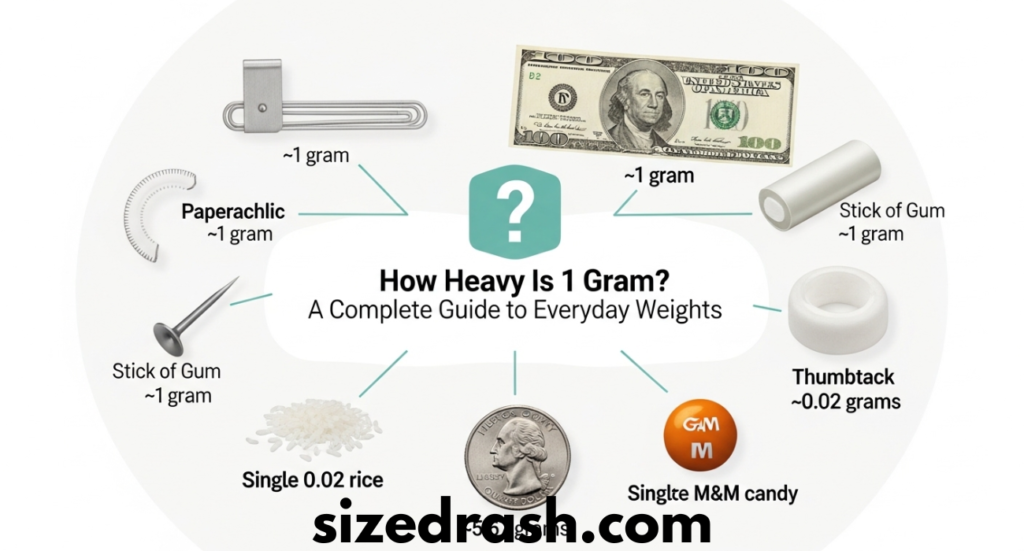
A single US dollar bill weighs roughly one gram, regardless of its denomination. Holding a stack of bills in your hand, you can quickly estimate multiple grams, as ten bills will weigh about ten grams. Its consistency in design and material makes it one of the most reliable lightweight objects for measurement reference.
The US dollar bill can also serve as a practical tool for both size and weight comparisons. In the office or at home, it’s easier to visualize small objects by comparing them to a hand holding a single bill or stacking them. This makes even complex weight estimation tasks feel intuitive and manageable.
A Thumbtack
A standard thumbtack weighs around one gram and demonstrates how tiny items can serve as accurate weight references. These small pins are commonly used in the office or for home organization, and their light weight makes them perfect for comparing other lightweight objects.
Even though thumbtack weights can vary slightly depending on the metal or plastic material, their design consistency allows them to act as simple tools for visualizing a gram. Using a thumbtack in conjunction with other small household items teaches precision and gives a real-world sense of measurement subtleties.
A Paper Clip
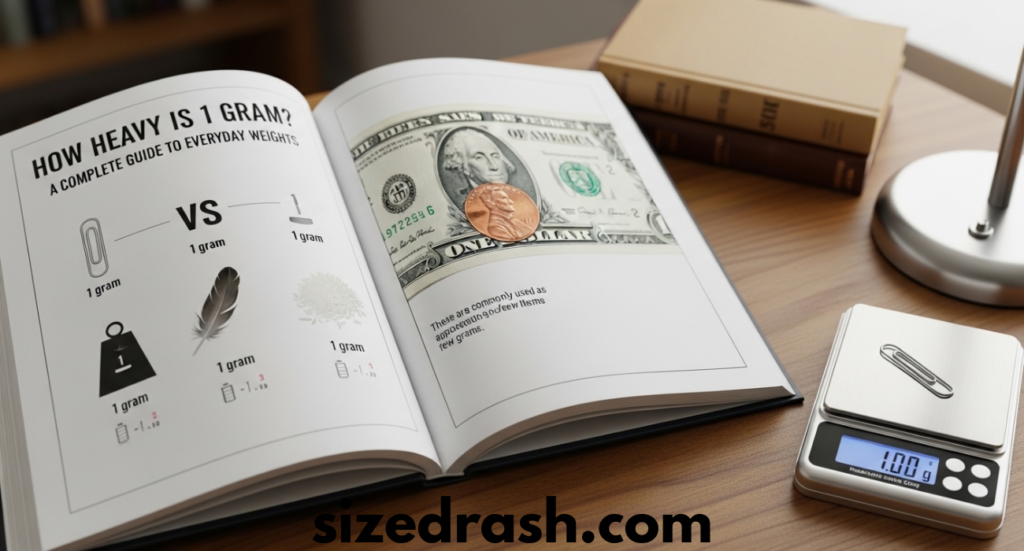
A standard paper clip weighs approximately one gram, making it a practical office utensil that doubles as a weight reference. Its metal rod construction ensures consistent weight, and stacking or gathering several clips makes it easy to visualize larger weight units.
Paper clips show that even everyday items can illustrate weight measurement. For example, holding ten clips together gives a clear sense of ten grams, while a single clip demonstrates one gram. Its small size and versatile design make it a handy household tool for quick estimates.
Cap of a Ball Pen
The cap of a ball pen generally weighs close to one gram, providing another everyday reference item. These plastic caps are common in homes and offices, and their lightweight construction demonstrates how material and design consistency can create predictable weight standards.
Although pen caps may vary slightly by brand, most fall within a reasonable one-gram estimate, making them useful for household comparisons. Whether you are measuring tiny cooking ingredients or small office items, a pen cap illustrates how small objects can act as practical tools for understanding weight and scale.
Silica Gel Packets
Small silica gel packets found in shoes or bags weigh around one gram. These air fresheners filled with silicon dioxide beads absorb moisture, showing how even functional items can be surprisingly lightweight. Their versatile use in controlling humidity makes them practical, while their small weight makes them a convenient measurement reference.
Because these packets are widely available in everyday life, you can use them as a simple visual tool for estimating small weights. Even in cooking or kitchen tasks, the concept of a one-gram item becomes tangible when you relate it to tiny objects like these moisture-control packets.
A Piece of Chewing Gum
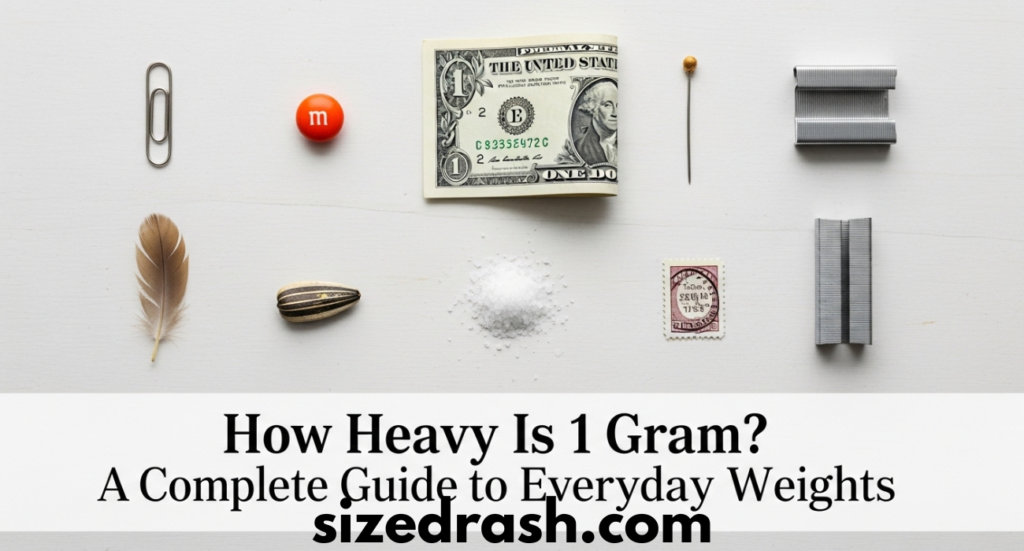
A single stick of chewing gum typically weighs one gram, making it an accessible reference point for weight estimation. Its small, uniform size and consistent density allow it to serve as a practical tool for measuring other lightweight items.
Chewing gum illustrates how tiny items can have a real-world impact on measurement accuracy. For instance, in kitchen or lab tasks, comparing an unknown small object to a piece of gum gives a quick estimate of one gram. Its familiar sweet craving appeal also makes learning about weight subtlety more engaging.
A Small Sized Birthday Candle
A small birthday candle, often in spiral shapes, weighs close to one gram. These candles demonstrate that even decorative household items can provide practical weight references. Their size and lightweight design make them ideal for visualizing a gram in everyday life.
Using a candle for measurement can be fun, particularly during cooking or celebrations, showing that tiny items often serve multiple purposes. The practicality of a birthday candle as a reference object highlights the subtle influence of weight measurement in common activities.
A Single Grape
While the weight of a grape varies, a very small grape can approximate one gram. Grapes are rich in vitamins and antioxidants, showing that healthy snacks can also double as educational weight tools.
This comparison is particularly helpful in kitchen tasks, where portioning tiny items matters. By visualizing a one-gram grape, you can better understand the weight of similar fruits or dried items, making it a practical example of measurement in everyday life.
One Raisin
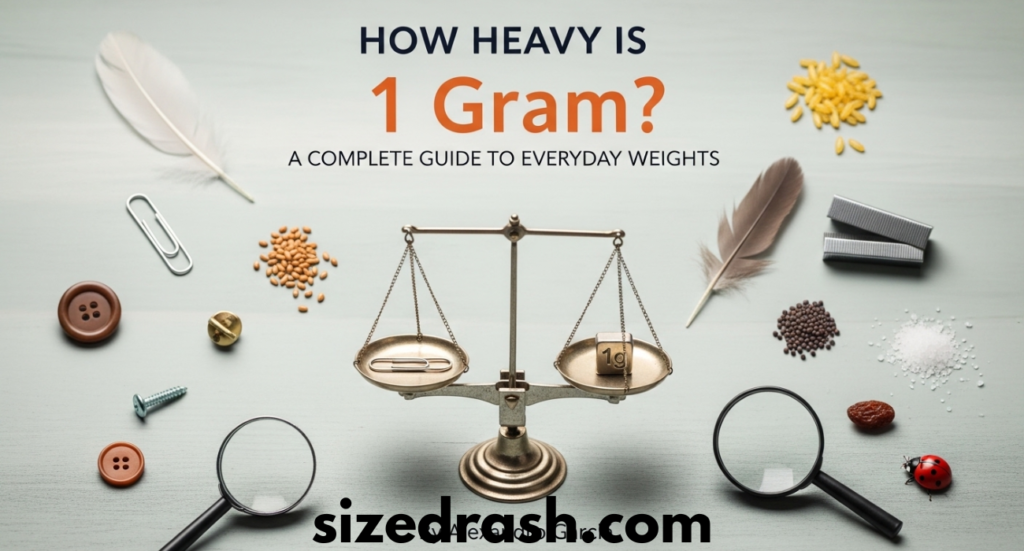
A single raisin weighs about one gram and serves as a common reference object for weight estimation. These dried grapes are consistent in size, making them perfect for cooking, baking, and nutrition tracking.
Using a raisin demonstrates the importance of precision with tiny items, whether you are measuring sugar, toothpicks, or small kitchen ingredients. It shows how measurement subtleties can influence everyday tasks and highlights the value of lightweight objects as learning tools.
A Piece of Paper Towel
One sheet of a paper towel weighs about one gram. Its versatile design makes it useful not only for cleaning but also as a reference for estimating small weights in the kitchen or home.
Paper towels illustrate that common household items can double as measurement tools. Using a single sheet to compare with other lightweight objects provides a quick visual estimate of one gram, helping you understand the weight of tiny items without needing a scale.
A Plastic Bottle Cap
A small plastic bottle cap typically weighs around one gram. These caps are essential for packaging liquids safely and provide a tangible reference item for estimating small weights.
The consistency of their size and material makes them a reliable household tool. Comparing other tiny objects to a bottle cap helps you visualize weight in grams, demonstrating how everyday items can serve as educational measurement references.
10 Toothpicks
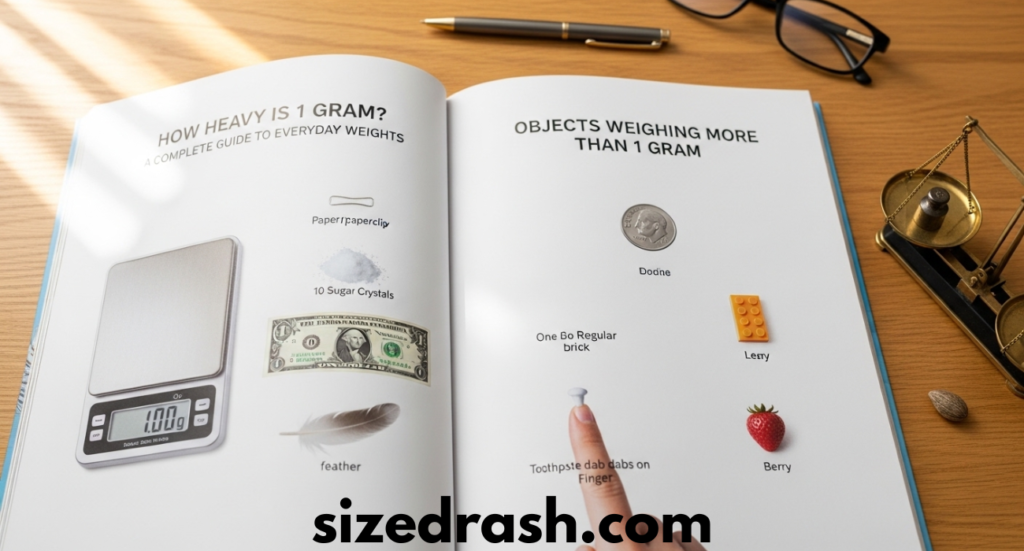
A single toothpick weighs roughly 0.1 grams, so ten together equal one gram. These slender sticks are common in the kitchen and office and illustrate how very small items can add up to measurable weights.
Using toothpicks to represent one gram is a practical lesson in measurement subtleties. Whether you are preparing kitchen ingredients, portioning sugar, or handling small objects, this visualization helps understand how tiny items combine to form standard weight units.
One-Quarter Teaspoon of Sugar
A quarter teaspoon of fine-grain sugar weighs approximately one gram. This simple kitchen measurement demonstrates how precise weight estimation is possible with everyday ingredients.
Even though sugar types like brown sugar or confectioners’ sugar vary slightly in density, this estimate is reliable for cooking and baking. Using sugar as a reference shows the importance of accuracy with tiny objects in culinary tasks and highlights the value of weight conversion skills.
A Jelly Bean
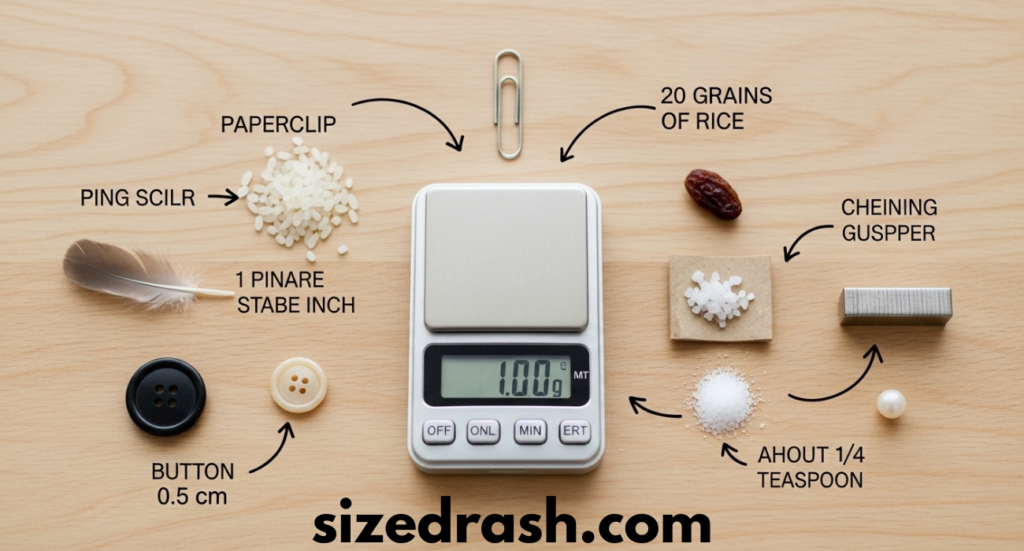
A single jelly bean weighs about 1.1 grams, making it a fun and colorful reference object for one-gram weight estimates. These candy pieces combine corn syrup and sugar to create a lightweight, consistent treat that doubles as an educational measurement tool.
Using a jelly bean shows that even playful items can help illustrate weight subtleties. In the kitchen or classroom, candy demonstrates how tiny items are practical tools for visualizing a gram, making learning both fun and engaging.
Table: Quick Reference of 15 Items That Weigh ~1 Gram
| Item | Approximate Weight | Notes |
| 1 ml of Water | 1 g | Perfect scientific reference |
| US Dollar Bill | 1 g | Consistent design and material |
| Thumbtack | 1 g | Standard size; varies slightly |
| Paper Clip | 1 g | Metal rod; versatile office tool |
| Pen Cap | 1 g | Slight brand variation |
| Silica Gel Packet | 1 g | Air freshener and moisture control |
| Chewing Gum | 1 g | Sweet craving, practical tool |
| Small Birthday Candle | 1 g | Spiral shape, decorative |
| Single Grape | 1 g | Approximate for tiny grapes |
| Raisin | 1 g | Dried grape, precise weight |
| Paper Towel | 1 g | Household cleaning reference |
| Bottle Cap | 1 g | Lightweight packaging tool |
| 10 Toothpicks | 1 g | Combine small items for 1 g |
| 1/4 Teaspoon Sugar | 1 g | Cooking and baking precision |
| Jelly Bean | 1.1 g | Fun, playful measurement reference |
A Small Paper Clip Chain
A small paper clip chain, made by linking multiple paper clips, can be used to measure a few grams easily. Even though each clip weighs around one gram, connecting them shows how tiny objects combine to form heavier weights, giving a practical tool for weight conversion and quick estimates in office or home settings.
Using a paper clip chain helps you understand how weight accumulates. In everyday life, this can assist in estimating small items, from kitchen utensils to craft supplies. The versatile design of paper clips makes them excellent measurement references while showing precision in handling lightweight objects.
A Single Almond
A single almond weighs close to one gram, making it a practical food reference. These nuts are rich in vitamins, healthy fats, and antioxidants, and their consistent size allows them to serve as measurement tools for estimating small weights in kitchen or diet tracking.
Almonds demonstrate how lightweight items can also be nutritious snacks. Using them as a reference object helps visualize weight subtleties while cooking or preparing small portions. Their density and size make them a reliable practical tool for everyday weight estimation.
A Small Button
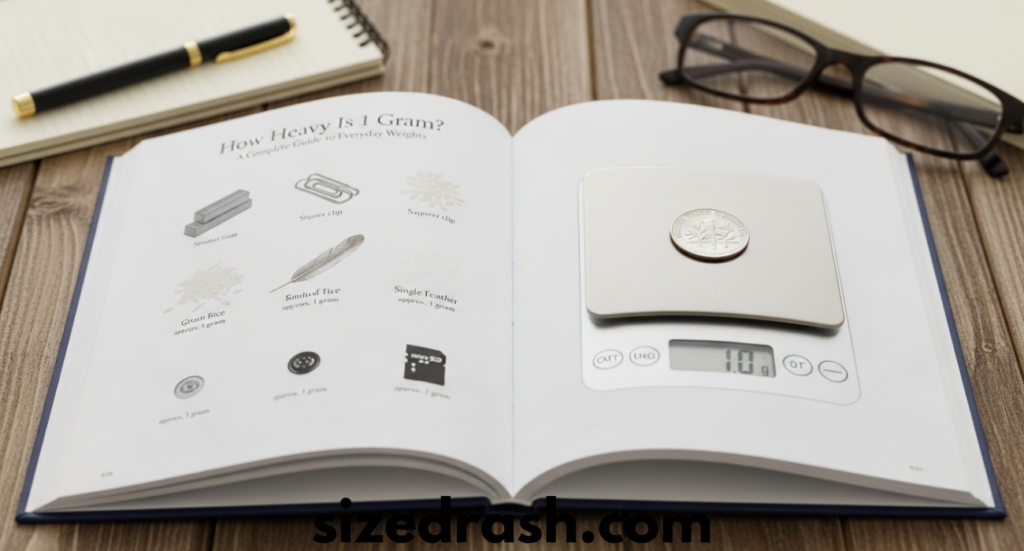
A small plastic or metal button typically weighs around one gram. Buttons of consistent size and design can serve as a quick reference for tiny weights, especially useful for sewing, crafts, or small household objects. Their material and shape make them excellent tools for visualizing one gram without a scale.
Buttons also illustrate how everyday objects combine practical utility with measurement value. Using them teaches precision in small tasks and highlights weight subtleties in lightweight items, showing that even decorative objects can provide insight into measurement in everyday life.
A Single Raisin Cluster
A small raisin cluster of 2-3 raisins can weigh just over one gram. Using clusters helps illustrate how small items combine to reach practical weight units, making them useful in kitchen, cooking, or diet portions. Their dried grape density provides a tangible reference for weight measurement.
Clusters show how tiny objects accumulate weight naturally. In everyday cooking, combining raisins or other small items makes it easier to visualize grams, improving accuracy and quick estimates. This method reinforces measurement subtleties using items already present in household tasks.
A Small Pebble
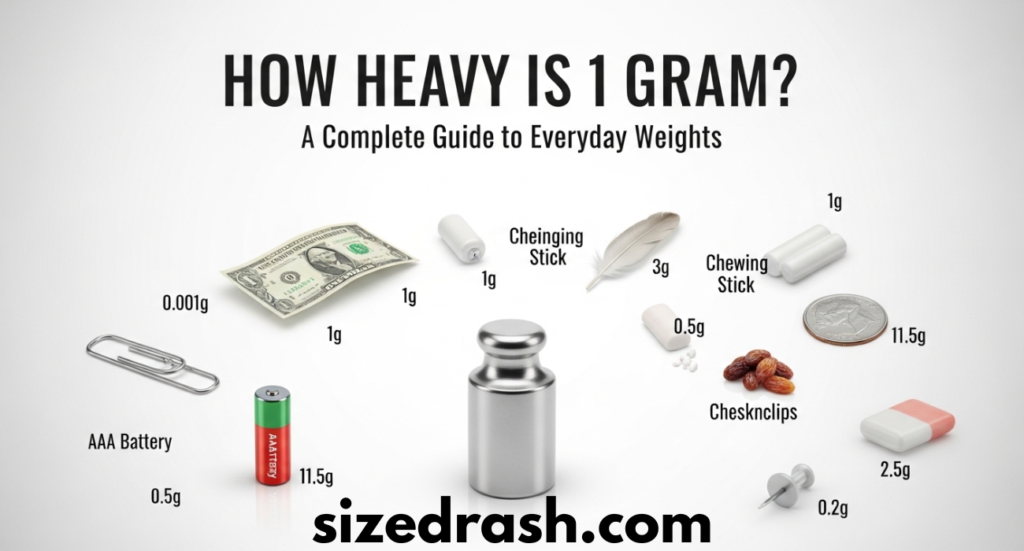
A small smooth pebble can weigh around one gram depending on material and size. These naturally lightweight objects provide an excellent outdoor reference for measurement and demonstrate how density affects weight, helping you estimate grams without a scale.
Pebbles show how everyday natural items can teach weight subtleties. Using them encourages observation of density, size, and material, giving a hands-on experience in understanding small objects and lightweight references, practical for kids’ science experiments or hobby collections.
A Single Seed
A single pumpkin or sunflower seed weighs approximately one gram, depending on its size and density. These tiny items are ideal for kitchen measurement exercises, nutrition tracking, and quick weight references, making them surprisingly practical in everyday household tasks.
Seeds also demonstrate how lightweight, natural objects can serve as visual tools for grams. Handling them improves precision, and comparing different seeds teaches the impact of material and design on weight, enhancing understanding of measurement subtleties in small items.
A Small Lego Brick
A small Lego brick can weigh close to one gram depending on size and plastic material. Its consistent design and density make it useful for weight visualization in educational activities or playtime experiments, teaching how tiny objects can represent one gram practically.
Lego bricks also illustrate how lightweight everyday items combine function with educational value. They provide a hands-on reference for children and adults alike to learn measurement subtleties, weight conversion, and density, turning play items into practical tools for understanding grams.
A Small Piece of Cork
A small cork piece from a bottle can weigh around one gram. Its lightweight, porous material allows it to serve as a practical weight reference, perfect for crafting, kitchen tasks, or understanding measurement in everyday objects without needing a scale.
Cork demonstrates how lightweight materials can teach subtle weight differences. By comparing cork pieces with other tiny items like a toothpick or paper clip, you gain insight into density, design, and material impact on weight, highlighting practical measurement subtleties in daily life.
FAQs
What is 1 gram in ounces and pounds?
One gram equals approximately 0.0353 ounces or 0.0022 pounds, making it a very lightweight unit for small objects.
Can I estimate 1 gram without a scale?
Yes, you can use common items like a US dollar bill, paper clip, or raisin as a practical reference for one gram.
Why is water used to measure 1 gram?
Because 1 milliliter of water weighs exactly one gram at standard temperature and pressure, it provides a simple and precise reference.
Do all small items weigh exactly 1 gram?
Not exactly. Items like jelly beans or grapes are close to one gram, but size, density, and material cause slight differences.
Conclusion
Understanding How Heavy Is 1 Gram helps us see how small weights affect everyday life. One gram is very light, but it matters in the kitchen, lab, or office. Small objects like a paper clip, raisin, or pen cap show how we can estimate weight without a scale. Learning about one gram teaches precision and care. It also helps us measure cooking ingredients, supplements, or tiny household items correctly.
Using everyday items to learn How Heavy Is 1 Gram makes measuring simple and practical. Tiny objects become helpful tools to understand weight. From a US dollar bill to a jelly bean, each shows that even the smallest units matter. This knowledge improves accuracy, estimation, and understanding in daily life.